
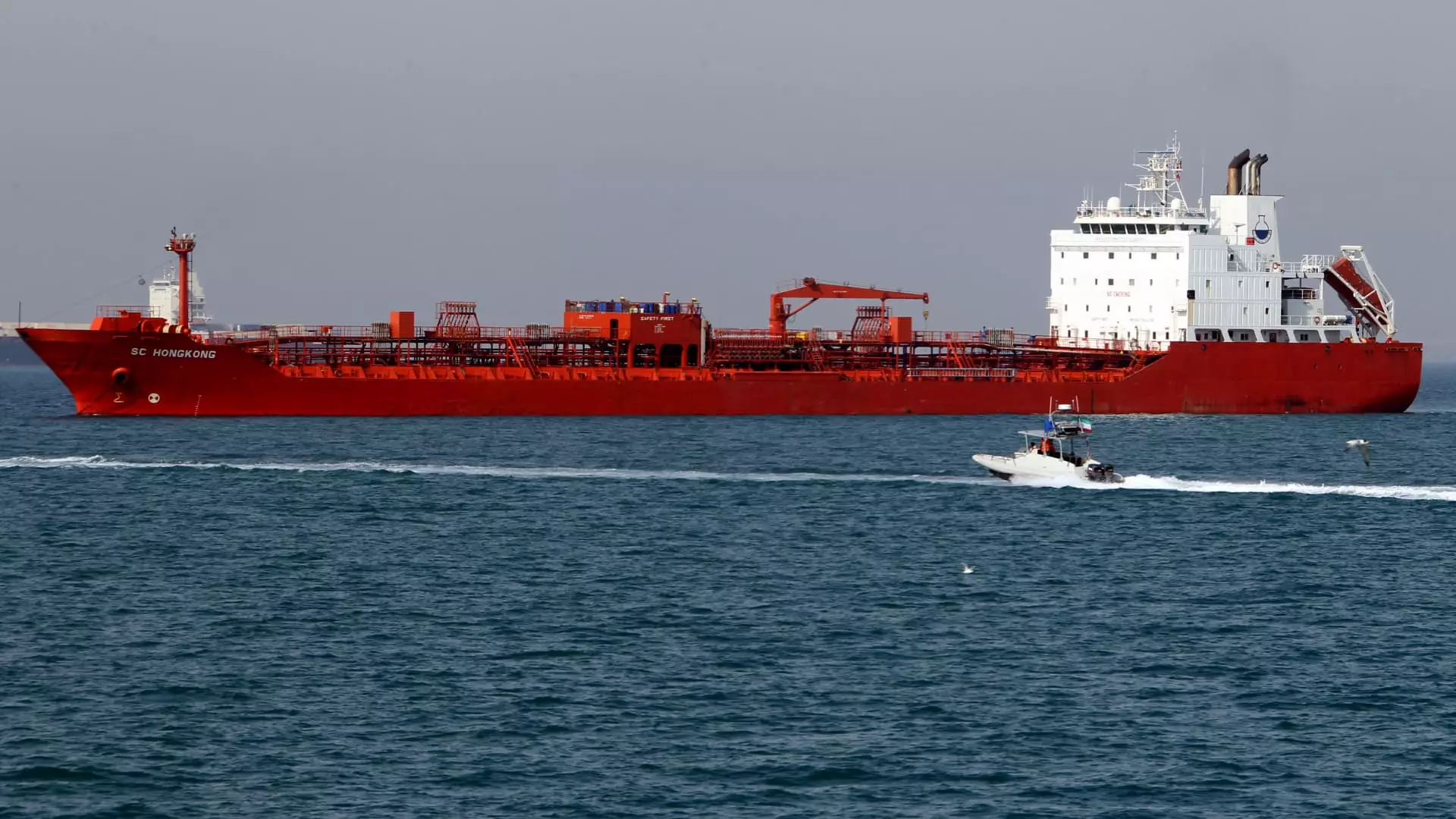
The recent plummet in oil prices can be traced back to one unexpected tweet from former President Donald Trump, signaling a potential thaw in relations between the U.S. and Iran. With the backdrop of an ongoing conflict involving Israel, Trump’s declaration that China may continue purchasing Iranian oil not only eases tensions but also raises alarm bells about the sustainability of such a decision. In an era where global crises can escalate in seconds, the implications of this seemingly minor shift are profound, and perhaps perilous.
The notion that China could freely engage with Iran highlights a significant departure from the previous administration’s more hardline stance. While it might appear to be a calculated move aimed at reducing oil prices domestically, one must question the long-term ramifications of this approach. Allowing countries to purchase Iranian oil without severe repercussions could inadvertently empower Iran at a time when its intent and actions on the global stage are suspect.
The Price Fallout
On that fateful Tuesday, global oil benchmarks saw a startling decline. Brent crude dropped 5.68%, while U.S. crude followed suit, both mirroring investors’ shifting sentiment toward a market that, until now, was dominated by fears of disruptions due to geopolitical strife. Was this decline merely a symptom of a momentary relief or the beginning of a new era of volatility? The knee-jerk response from the market does reflect a commonly held belief: decreased tensions often lead to lower prices.
However, as much as this decrease might offer short-term convenience for consumers and businesses alike, it is deeply unsettling. The volatility of oil prices often ties back to geopolitical chess games in the Middle East, and the flippancy with which these agreements are inked and rescinded can lead to greater instability. The complexities of the oil market don’t rest solely on demand and supply; politics plays an insidious role. A decline in prices now could easily turn into spikes in the future if Iran retaliates or further isolates itself.
Trump’s Strategic Miscalculation?
Trump’s proclivity to characterize complex foreign relations as mere business deals limits the depth of understanding necessary for solid governance. His assertion of being “honored” to reach a deal hints at a dangerously simplistic view of international relations, exemplifying a brand of transactional diplomacy that prioritizes immediate gains over comprehensive strategies. While the market greets the news with enthusiasm, one cannot ignore the lurking threat—the encouragement this may give to adversaries who see an opening to exploit U.S. intentions.
Moreover, Trump’s simultaneous criticisms of both Iran and Israel during this volatile moment raises eyebrows regarding his genuine commitment to resolution. Perceived as merely a PR move, his declaration lacks teeth. If he is indeed displeased with both parties, what recourse does he have? These harsh words seem unlikely to alter the course of conflict but rather expose a leader caught between conflicting alliances and interests.
Future Implications and Concerns
As the oil market takes a hit, many analysts are cautiously optimistic, forecasting that lower prices should benefit consumers. Yet, one must ponder the larger implications of an unrestricted Iranian oil market that fuels further regional instability. The Strait of Hormuz, a vital artery for the world’s oil supply, remains under the specter of potential closure by Iran in retaliation for perceived injustices. With Trump’s shifting stance on Iran, the risk of miscalculation or renewed aggression becomes a pressing concern.
Therefore, while the oil market cheers for lower prices, it may unwittingly sow the seeds of future calamity. As countries like China prosper from the U.S.’s loosening grip on Iranian oil, the threat to democratic allies and global stability intensifies. A short-term gain cannot eclipse the broader narrative of geopolitical power dynamics. At this juncture, one can only hope this gamble pays off without igniting unforeseen consequences that could disrupt not just oil prices, but the fabric of international relations.