
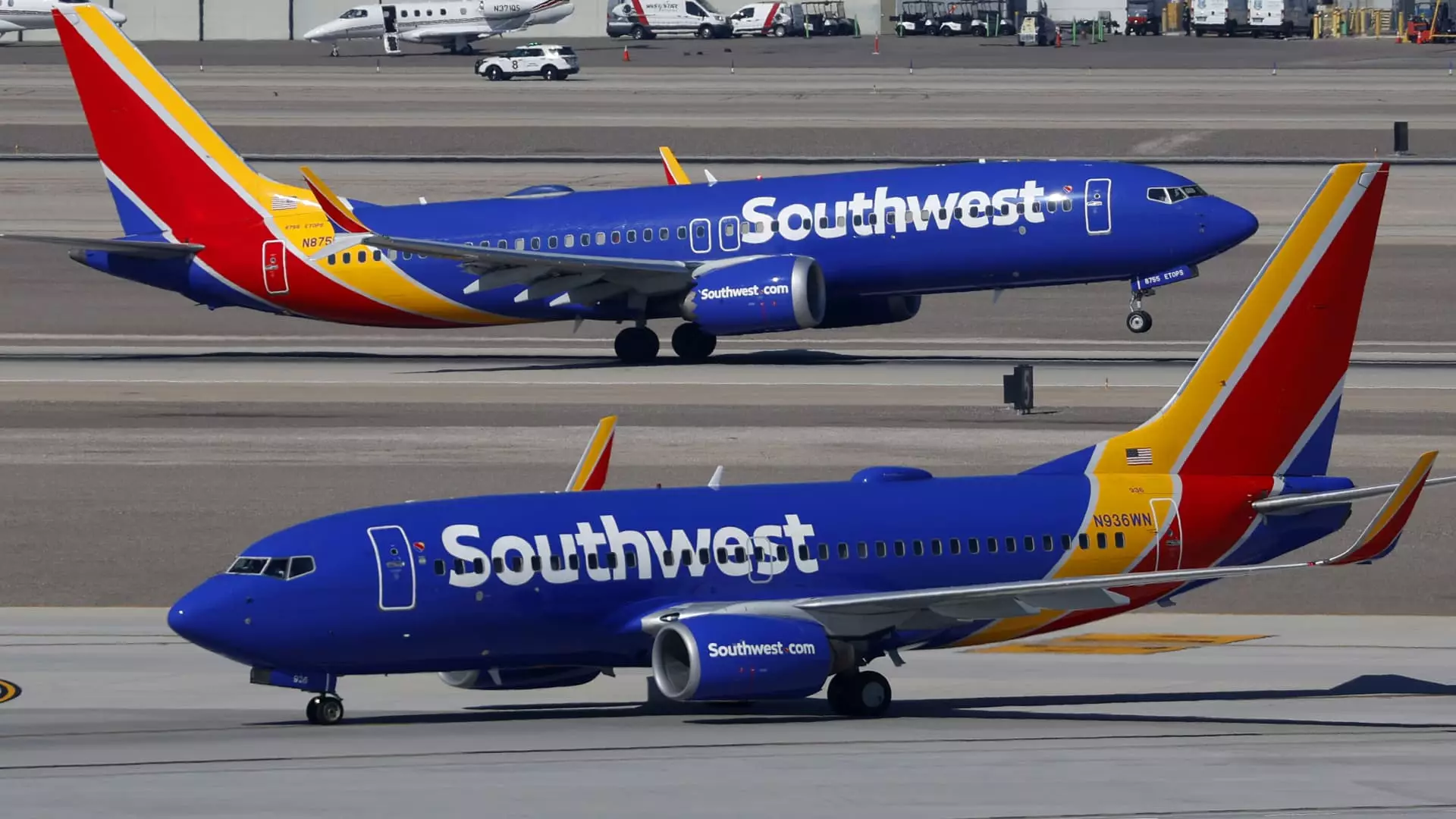
Southwest Airlines, long celebrated for its iconic open seating policy, is making a historic and controversial pivot that will undoubtedly reshape the flying experience. For over fifty years, passengers have relished the freedom to choose their seats upon arrival at the gate, fostering a sense of spontaneity and personal control. Now, this cherished tradition is being sacrificed on the altar of profitability. The airline’s decision to enforce assigned seating starting January 27 signifies an uncomfortable capitulation to industry norms that prioritize revenue at the expense of customer comfort and loyalty. While some may argue this is a necessary evolution, it fundamentally undermines the trust and personal agency travelers have come to associate with Southwest. This shift isn’t merely about logistics—it’s an emblem of the ongoing commodification of our everyday experiences, diluting the human element that once set Southwest apart.
A Costly Reengineering of Loyalty and Convenience
The new boarding process, designed to streamline operations and drive additional revenue, transforms the carefree scramble for seats into a rigid hierarchy based on loyalty status and fare classes. Executive decision-makers justify this overreach as an effort to balance efficiency with a semblance of customer care. But in reality, it reinforces a tiered system that privileges the most affluent passengers while squeezing out less profitable travelers. The elimination of the familiar boarding lines and the golden age of spontaneous seat selection erodes the egalitarian spirit that once distinguished Southwest from its competitors. For families and casual travelers, this change signifies a loss of control—a shift towards a more transactional airline experience, where comfort and spontaneity give way to a stratified, calculated model designed to maximize dollar signs.
Profit Motives Masked as Innovation
While Southwest claims these changes are part of a strategic overhaul aimed at financial growth—projected to add hundreds of millions in earnings—the true catalyst is clear: a relentless pursuit of greater revenue streams. The introduction of seat selection fees, preferred seating, and extra legroom options represent a commodification of what was once an inclusive culture. It’s a blunt reminder that service quality is increasingly dictated by the depth of your wallet rather than your loyalty or need. The airline’s reconfiguration of the fleet and the upselling of premium seats highlight an industry losing sight of genuine customer relationships in favor of maximizing short-term profits, even at the cost of brand equity.
The Erosion of the Human Side of Flying
What’s most troubling about Southwest’s overhaul isn’t merely the shifting policies but the broader implications for the human aspect of air travel. Boarding, once an anticipatory ritual filled with spontaneous camaraderie, will now become a rigid queue dictated by status and fare. The sense of community—once fostered by the open seating and first-come, first-served mentality—is compromised. The airline delays revealing the true costs and the specifics of seat categorizations, further adding to passenger uncertainty. This transformation signals a move away from a service rooted in accessibility and familiarity toward a fortress of exclusivity built for profit margins. It’s an unsettling trend where the personal experience is sacrificed on the altar of financial strategy, revealing a lack of regard for the emotional and social needs of travelers.
The Future of Air Travel: Profit Over Experience?
Southwest’s gamble raises important questions about the future of affordable, customer-centric flying. Will other carriers follow suit, eroding the unique virtues that once set the low-cost carrier apart? Or will this be a cautionary tale illustrating how industry giants prioritize shareholder value over passenger loyalty? For the average traveler, this represents a clear turning point: convenience, flexibility, and a sense of fairness are gradually giving way to a digital, segmented marketplace designed primarily to extract maximum revenue. The core values of airline service—trust, simplicity, and community—are under siege, replaced by a transactional flavor that favors the privileged few.
In the final analysis, Southwest’s transition exposes a broader societal issue: the relentless march of commercialization, where even the most personal aspects of human experience are transformed into profit opportunities. Whether this strategy will ultimately serve the airline’s long-term success or diminish its once-loyal customer base remains to be seen; what is certain is that the soul of the airline—built on accessibility and community—has been compromised in favor of short-term financial gain.