
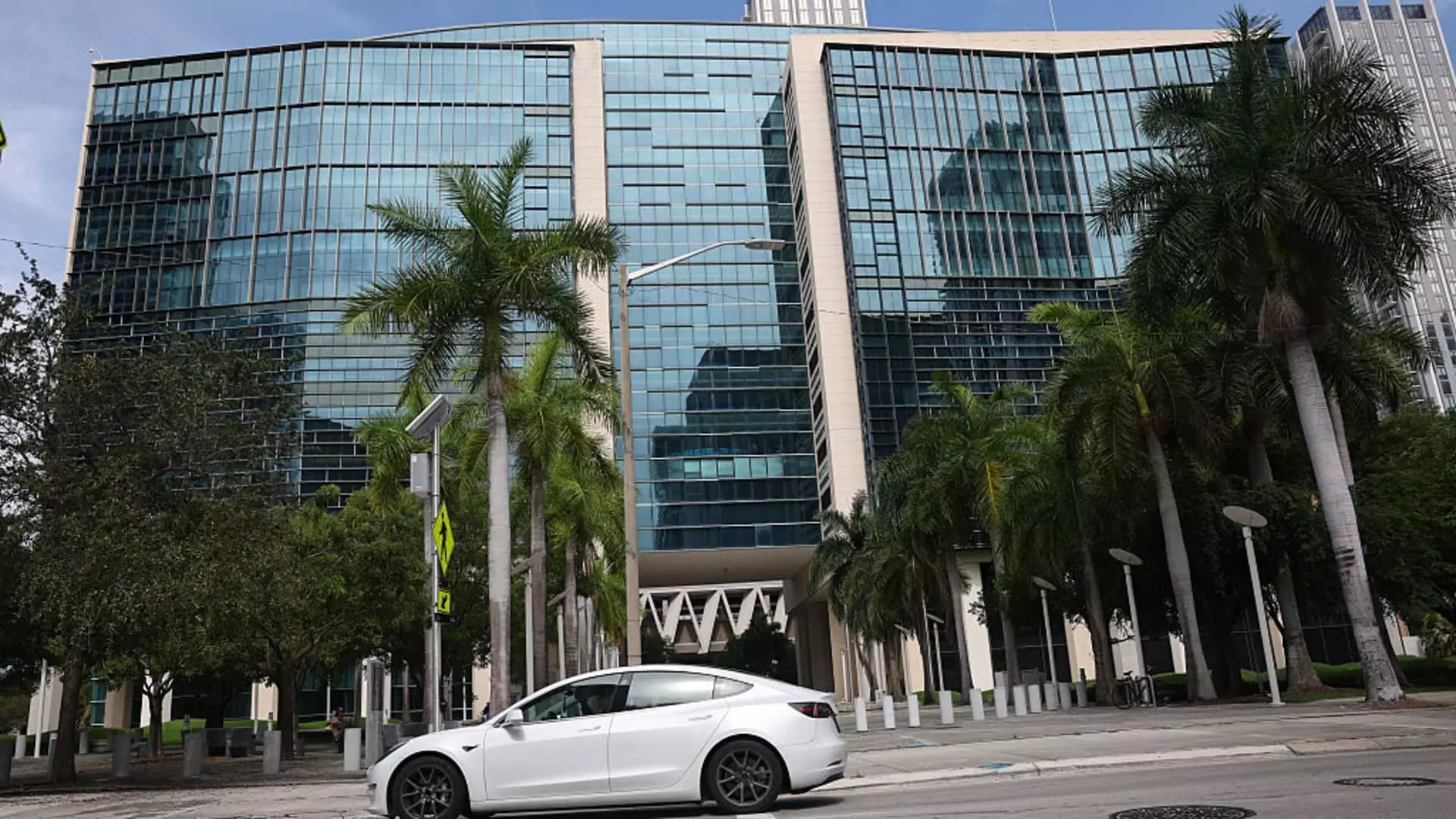
In recent years, Tesla has positioned itself at the forefront of automotive innovation, promising a future where fully autonomous vehicles are an everyday reality. However, this relentless pursuit of technological dominance often seems to overlook an essential factor: the moral and social responsibility that comes with deploying semi-autonomous features on public roads. The ongoing legal case stemming from the 2019 fatal crash in Key Largo exposes the dangerous discrepancy between Tesla’s marketing promises and the real-world safety of its Autopilot system. Critics argue that Tesla, under Elon Musk’s leadership, has prioritized hype and shareholder profits over rigorous safety standards, leading to devastating consequences for unsuspecting drivers and pedestrians alike.
The tragic death of Naibel Benavides and the severe injuries sustained by her boyfriend are not mere unfortunate accidents—they are a stark indictment of corporate recklessness cloaked under the guise of technological progress. While Tesla touts Autopilot as a voluntarily adopted step toward safer driving, this case highlights how the system’s current limitations—misleadingly framed as “driver assistance”—can be dangerously misunderstood. It prompts a fundamental question: Should automakers like Tesla push cutting-edge features that are not yet fully refined, or should they exercise greater caution and transparency?
Misleading Confidence and Overconfidence in Automaker Claims
One of the most troubling aspects of this trial is the allegation that Tesla’s marketing created a false sense of security around its Autopilot system. Elon Musk’s outsized claims—that Tesla vehicles could someday be genuinely autonomous—have fostered an environment where drivers might relax their attention, assuming the system will handle complex situations seamlessly. This overpromising has cascading effects: drivers may take unnecessary risks, and the broader public could develop misguided trust in incomplete technology.
The plaintiffs’ case underscores a pattern where declarations about Autopilot’s safety are exaggerated, ignoring the current system’s deficiencies. Tesla’s reputation for innovation seems to have blinded some consumers and regulators to the nuanced reality—that current self-driving features are, at best, aids, not fully autonomous solutions. By overstating capabilities, Tesla has arguably contributed to a culture of complacency, where drivers believe they can delegate their responsibilities, leading to preventable tragedies like the Key Largo crash.
Furthermore, the company’s resistance to acknowledging or admitting fault in such cases perpetuates a harmful narrative. Instead of transparently addressing system risks and implementing rigorous safeguards, Tesla appears to engage in strategic denial, which only heightens the potential for future disasters. This approach exposes a troubling neglect of ethical obligations, putting public safety at a precarious crossroads.
The Need for a Center-Left Response: Holding Corporations Accountable Without Stifling Innovation
While critics are justified in demanding stricter oversight and accountability from Tesla, it’s crucial to balance this with a recognition of the technological advancements the company has contributed. The challenge for center-wing liberals and policymakers should be crafting regulations that ensure safety without hamstringing innovation. This case should serve as a wake-up call: autonomous driving technology must be developed within a framework of robust safety standards, transparent communication, and rigorous testing before being thrust into the wild.
Legislation should aim to hold companies like Tesla accountable for false advertising and negligent oversight, particularly when their products are used in high-risk scenarios. At the same time, fostering open dialogue between industry leaders, regulators, and consumer advocates is essential to guide responsible innovation. This isn’t about stifling progress; it’s about ensuring that progress is achieved ethically and safely, with an unwavering focus on human lives over corporate profits.
The Tesla trial is not just a legal showdown—it’s a moral referendum on how society manages technological transformation. As the verdict looms, it is obvious that prioritizing shareholder interests and marketing hype over genuine safety can have devastating consequences. Moving forward, the emphasis must be on rigorous oversight, transparent communication, and a commitment to putting human lives before technological arrogance. Only then can we hope to reconcile the promise of autonomous technology with our fundamental responsibility to protect the public.