
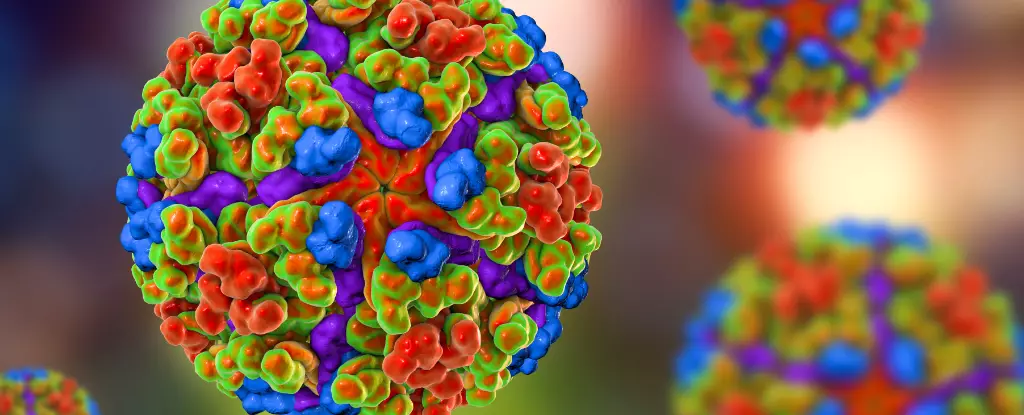
The recent warning from the World Health Organization should serve as a wake-up call, but unfortunately, it risks being just another alarm ignored until catastrophe strikes with full force. The pattern is disturbingly familiar—a pattern that history has repeatedly shown leads to widespread suffering and chaos. The resurgence of chikungunya, a mosquito-borne disease largely misunderstood and underestimated, signals a looming health crisis that demands urgent and uncompromising action. Yet, the global response remains tepid, characterized more by complacency than proactive measures. This complacency is perilous, especially when we consider how similar outbreaks in the past spiraled out of control, affecting millions with devastating consequences. The warning signals are flashing bright and clear: if we continue to dismiss them, we’ll be gambling with lives on an unimaginable scale.
Historical Echoes and Modern Threats
Looking back at the early 2000s, the Indian Ocean outbreak of chikungunya catapulted from small islands to a global threat, infecting nearly half a million people. The virus’s insidious spread was fueled partly by insufficient preparedness and a lack of public awareness. Now, as the WHO reports similar patterns emerging—particularly in Reunion, Mayotte, and Mauritius—there is a disturbing sense of déjà vu. What is absent from the global conversation is the urgent need for strategic intervention rooted in compassion and scientific rigor. We stand at a crossroads, with the potential to either learn from past failures or repeat them. Unfortunately, history suggests that unless there is a democratic push for substantial public health investments and international cooperation, the latter is more likely. The clock is ticking, and the window to prevent a full-blown epidemic is narrowing.
Climate Change: Brewing the Perfect Storm
Perhaps the most underreported aspect of this crisis is the role of climate change. The spreading reach of Aedes albopictus, the tiger mosquito, exemplifies how environmental negligence exacerbates health vulnerabilities. As global temperatures rise, the mosquito’s habitat extends further north—into regions previously considered safe, such as parts of Southern Europe. This is a direct symptom of human-driven climate change and underscores the interconnectedness of environmental policy and public health. If governments continue to neglect climate action, they are effectively building a bridge for diseases like chikungunya to invade new territories. The notion that health crises are isolated incidents is naïve in the face of a rapidly warming planet. We are creating a perfect storm—where ecological neglect feeds infectious disease outbreaks.
Neglecting Prevention and the Consequences
One of the gravest errors in managing zoonotic diseases like chikungunya is underestimating the power of prevention. The WHO recommends measures like using mosquito repellents and eliminating stagnant water—practical steps that could dramatically curb transmission. But these are often dismissed as minor inconveniences or lack the urgency to be prioritized at national levels. The grim reality is that most governments fail to allocate sufficient resources for public education campaigns or vector control programs. By neglecting simple, cost-effective interventions, we are knowingly risking a scenario where millions could succumb to a preventable illness. The economic and social toll of an unabated outbreak would be staggering, overwhelming healthcare systems already strained by other crises. Ignoring the early warning signs isn’t just negligent; it’s reckless.
The Moral Imperative for Action
From a center-wing liberal perspective, the moral obligation to act decisively becomes glaringly evident. Protecting vulnerable populations, especially those with limited access to healthcare and information, should be a collective priority. We must reject the apathy that often accompanies global health discourse and embrace policies centered on equity and foresight. Investment in research, improved healthcare infrastructure, and international collaboration isn’t just altruism—it’s pragmatic self-interest. Preventing the next widespread chikungunya outbreak would save countless lives, reduce economic burdens, and strengthen global resilience. By failing to act now, we risk surrendering to a preventable disaster driven by neglect, climate change, and geopolitical complacency. The question is whether we have the will to confront this threat with the seriousness it demands or continue down a path of dangerous ignorance.