
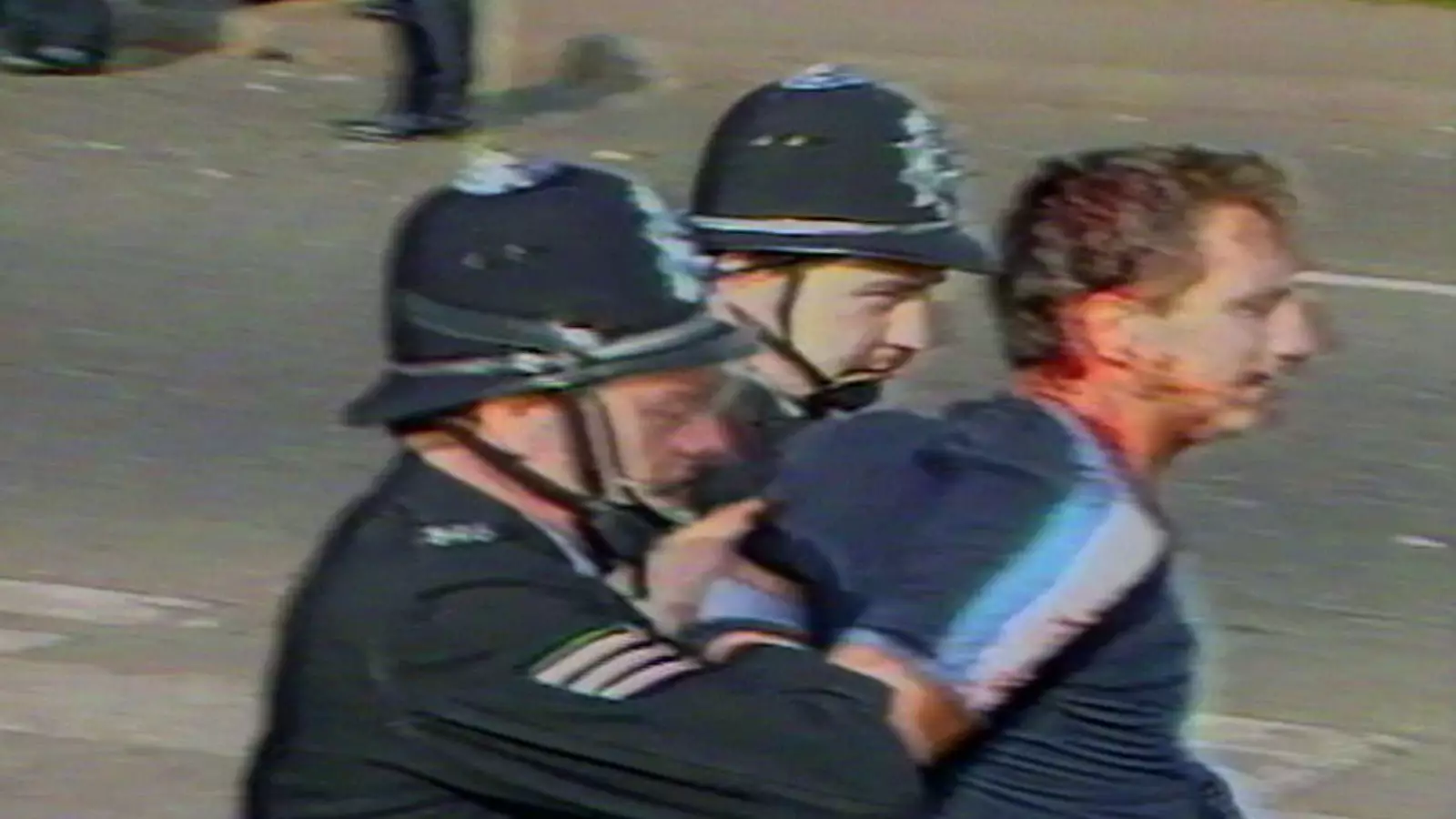
The so-called “Battle of Orgreave” is more than just a tragic chapter in UK history; it is a glaring reminder that power often goes unchecked when truth is obscured. For decades, the violent clash between striking miners and police has been shrouded in misinformation, casting a long shadow over accountability and justice. This new inquiry might finally peel back the layers of institutional deception that have persisted since 1984. However, one must critically evaluate whether this effort is truly enough to confront the systemic flaws that allowed such brutality to occur—and to go unpunished for so long. It is a poignant reflection of a society that, even after all these years, struggles with truth, justice, and reconciliation.
The Violence That Was Never Fully Addressed
On that fateful day, over 5,000 miners and an equal force of police faced each other in a ferocious confrontation. Officers wielded batons, mounted police charged into unarmed picketers, and chaos reigned. Yet, despite that violence, many questions remain unanswered. The police’s actions, allegedly orchestrated and excessive, led to physical injuries and psychological trauma for those present. The subsequent legal proceedings crumbled under the weight of unreliable police evidence, shielding perpetrators rather than exposing them. This glaring miscarriage of justice highlights systemic flaws in law enforcement’s accountability mechanisms—flaws meticulously concealed, only now risking exposure through the upcoming inquiry. Such a long delay underscores how entrenched these injustices have become, fueling feelings of betrayal among those who suffered.
The Persistent Struggle for Justice
For years, campaigns demanding an honest accounting of Orgreave have been dismissed or delayed. The refusal of previous governments to launch a formal inquiry reflects a disturbing tendency to protect institutional interests over genuine justice. It speaks to a broader societal failure to confront uncomfortable truths—the kind that threaten complacency and expose uncomfortable alliances. The delays have not just denied victims closure; they have prolonged trauma, leaving many casualties with scars that time alone cannot heal. The new statutory inquiry, with powers to subpoena witnesses and scrutinize documents, signals a step forward—yet skepticism remains. Will it truly challenge the forces that shielded the police, or will it serve as another public spectacle with limited real impact?
Power Dynamics and Suppressed Truths
The enduring silence around Orgreave reveals more than just a localized incident; it exposes the broader issues of institutional cover-ups and the suppression of dissent. The police’s apparent lack of identification, their orchestrated assault, and the subsequent blanketing of evidence suggest a calculated effort to hide misconduct. This concerted effort to rewrite history underscores the danger when authorities prioritize their version of events over accountability. The fact that some victims have passed away before justice could be served adds an almost tragic element—an opportunity missed, and a testament to the institutional neglect that allowed these injustices to fester unchecked for so long.
The Expectations and Realities of the Inquiry
The appointment of Bishop Pete Wilcox to oversee the inquiry hints at a desire for moral integrity and transparency. Still, trust must be earned, especially considering the history of dismissals and cover-ups. Campaigners like Carl Parkinson and Chris Skidmore express a mixture of cautious optimism and profound frustration. They raise valid questions about the timeliness of justice. Why did it take 40 years? Why were crucial documents kept under embargo? Why did previous authorities choose silence over accountability? These questions threaten to overshadow the process itself, highlighting the deep skepticism that any institution—police, government, judiciary—will truly be able to confront its own complicity without external pressure and relentless activism.
The Road Ahead: Justice or Just a Gesture?
While the announcement of the inquiry is a hopeful step, it does not automatically guarantee a fair reckoning. The real measure of progress will be whether the truth finally comes to light unfiltered and whether those responsible are held accountable. Justice cannot be begrudgingly handed down after decades of neglect; it must be assertively pursued. Otherwise, the inquiry risks becoming another chapter of the institutional storytelling that has defined British societal conflicts—an exercise in window dressing that ultimately preserves the status quo. The fight for truth at Orgreave is, in reality, a fight for societal integrity—an acknowledgment that the dignity and rights of those who suffered should never be forever silenced.