
In an era where transparency is heralded as the cornerstone of democratic accountability, the ongoing silence surrounding certain high-profile figures and their possible entanglements in criminal conspiracy is a glaring anomaly. The recent developments involving Jeffrey Epstein and his associate Ghislaine Maxwell underscore this paradox. Despite overwhelming allegations and a vast web of connections, the central figures often evade true scrutiny, leaving the public questioning whether justice is served or simply delayed by the interests of those in power. The reluctance—or outright refusal—of influential individuals to be fully transparent reveals an unsettling truth: that the forces of privilege and influence can manipulate the levers of justice to shield themselves from accountability.
The case of Epstein, once a prominent financier with connections spanning across political and corporate spheres, exemplifies the troubling trend of elite immunity. While media outlets dissect the roles of the well-known figures linked to Epstein—former presidents, billionaire hedge fund managers—the broader narrative remains obscured. The question isn’t merely about individual guilt but about the systemic immunity that allows high-profile figures to dismiss allegations or deflect questions with a coordinated silence. This dynamic reflects a dangerous reality: that some within the corridors of power seem intent on preserving their status at the expense of moral and legal integrity.
Furthermore, the selective transparency observed in investigations fuels public skepticism. Public officials are quick to dismiss potential links, pivoting attention onto less influential figures or politically convenient scapegoats. The document-shielding of grand jury transcripts and the hesitant approach towards revealing documents related to Epstein’s case reveal a gross imbalance: justice appears to be a commodity reserved for the vulnerable, whilst the influential can manipulate narratives to their advantage. This disparity erodes public trust, feeding an undercurrent of cynicism about whether the system genuinely seeks truth or merely protects the interests of the powerful.
The Political Immunity and the Myth of Innocence
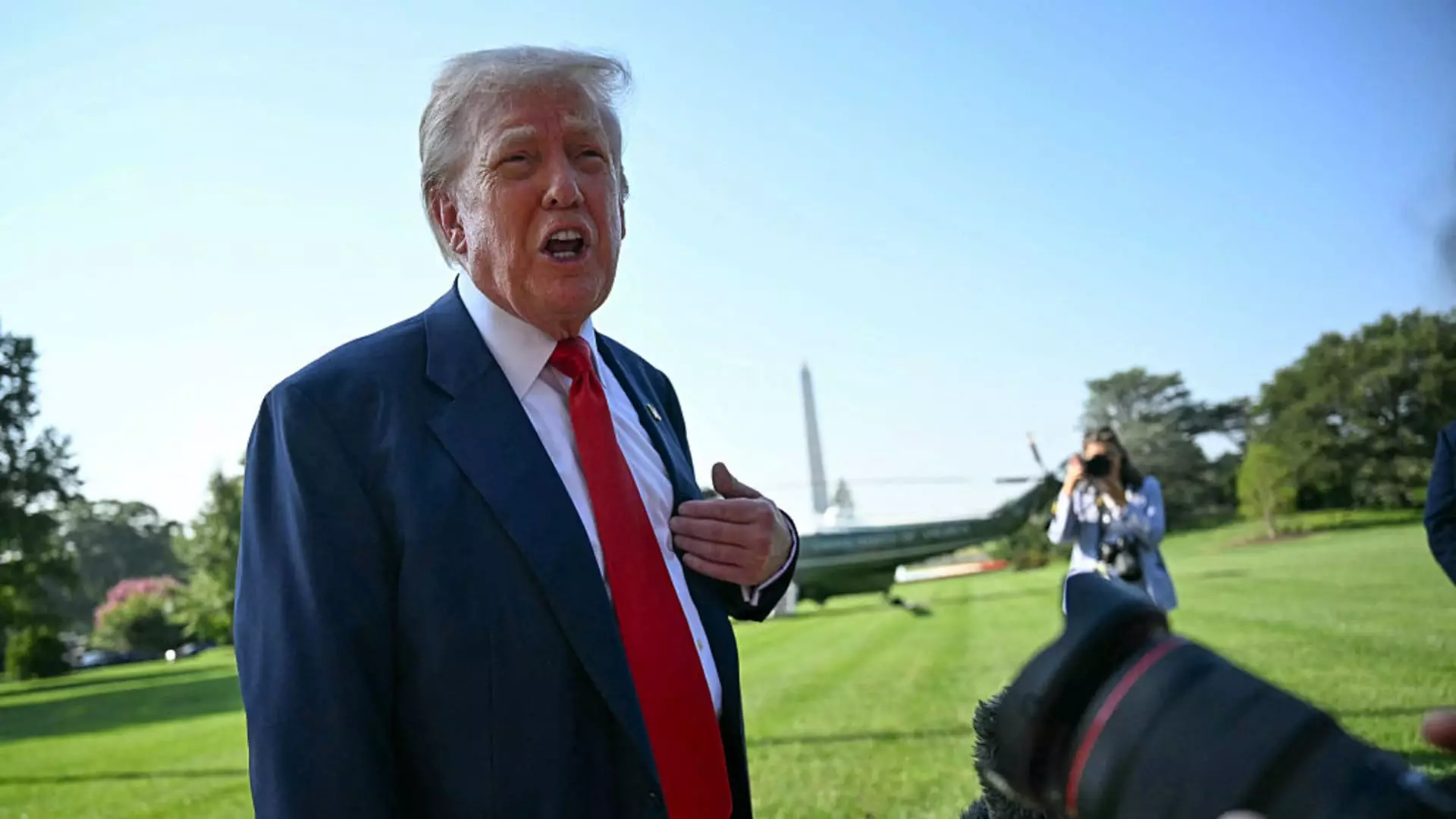
The silence and dismissiveness displayed by figures like Donald Trump toward questions about Epstein and Maxwell is emblematic of a broader tendency: to downplay or dismiss uncomfortable truths that threaten elite networks. Trump’s attempt to divert attention to other figures such as Clinton or Harvard officials epitomizes a common tactic—deflecting criticism by shifting the focus elsewhere and silencing accountability. This strategy fundamentally weakens the concept of justice, as it renders investigations into abuse and misconduct involuntary political theater rather than genuine inquiries.
The possibility of political figures considering pardons or other forms of immunity further complicates the narrative. The mere hint that powerful individuals might consider pardons or future protections indicates a troubling willingness to undermine the rule of law for self-preservation. These actions suggest that accountability is negotiable, contingent upon influence and connections, rather than a universal standard upheld by impartial institutions. When immunity is available to some and denied to others, it corrupts the foundation of a fair legal system and fosters an environment where privilege trumps morality.
The case of Maxwell illustrates how victimized individuals are caught in a system that appears rigged against them. Her detention, under harsh conditions as described by her lawyer, seems more a punishment driven by symbolic retribution than by genuine justice. Propaganda and media framing often overshadow nuanced truths, casting her as a scapegoat while masking the complicity of more powerful actors. The ongoing legal proceedings and the promise of future disclosures hint at incomplete truths and an urgent need to overhaul a justice system mired in secrecy and selective prosecution.
Uncovering the Roots of Entrenched Corruption
What this reveals is not merely a scandal rooted in individual wrongdoings but a deeper malaise embedded within the political and judicial institutions themselves. There is an undeniable pattern of shielding certain individuals, especially those with financial, political, or social clout, from the consequences of their actions. This pattern feeds a cycle where abuse persists in silence, victims are silenced or disbelieved, and the overarching narrative is controlled by those who have the power to shape it.
The political class’s tendency to dismiss or minimize these revelations underscores a profound disconnect with the principles of justice and moral responsibility. Instead of championing transparency, many officials adopt evasive strategies, cultivating an environment where truth becomes obscured. The fight for justice thus devolves into a battle against institutional complacency, systemic cover-ups, and the willingness of some to prioritize reputation over integrity.
It’s undeniable that the current revelations point towards a need for fundamental reform—an overhaul of the mechanisms meant to serve justice. Polluting influences from powerful elites threaten to undermine the essence of legal accountability. The public’s awareness of this contamination should serve as a call to action: to demand institutional integrity and to confront the uncomfortable reality that, in many cases, justice today is more about appearances than actual redress. Only then can the true fight against corruption and abuse proceed beyond superficial window dressing into a realm of genuine accountability and societal change.