
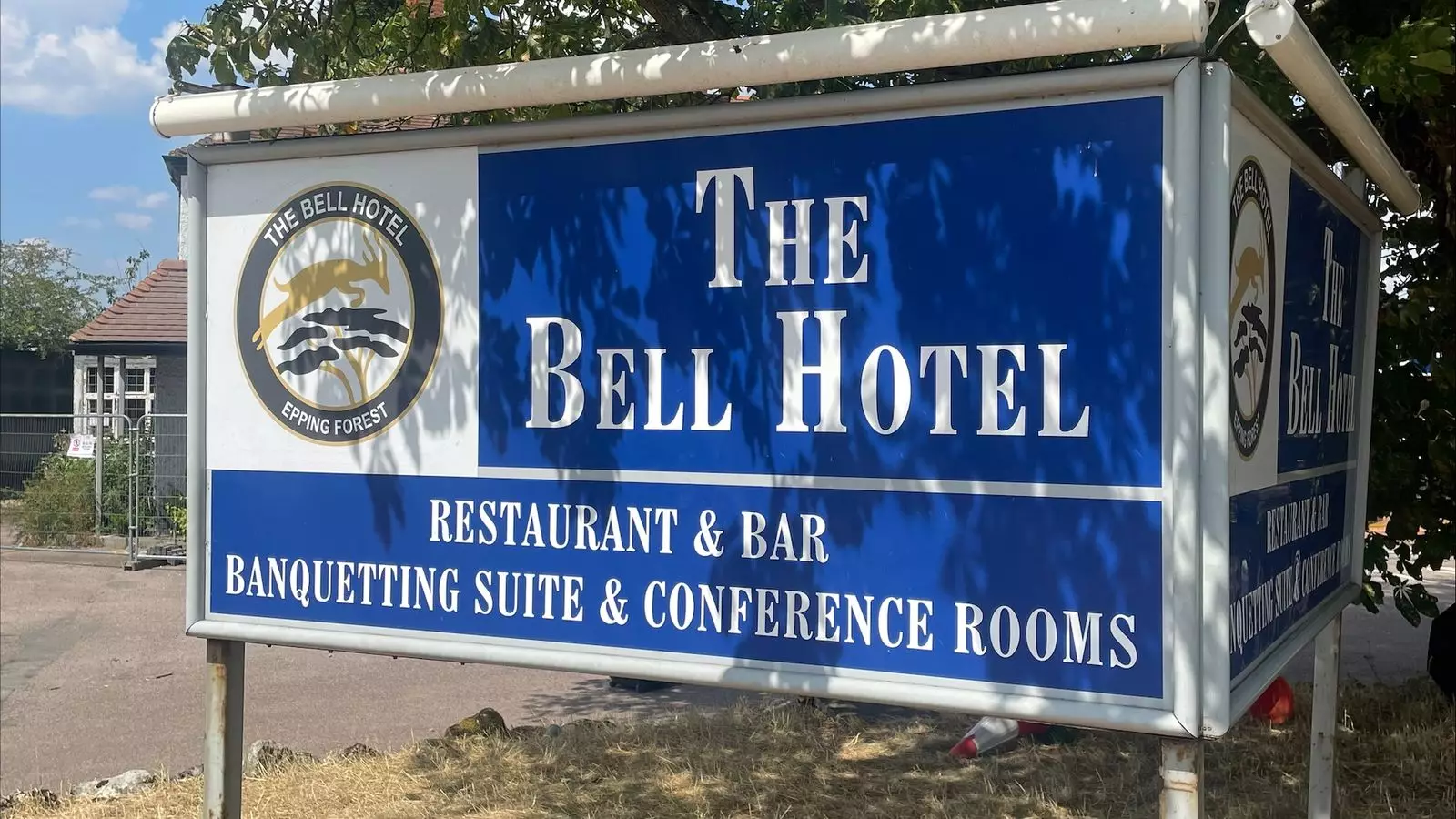
The recent clash over the housing of asylum seekers in Essex exposes more than just legal technicalities; it reveals a deeper societal tension rooted in competing values. While local councils have the right to prioritize their residents’ wellbeing, it’s troubling how nuance gets lost amid headlines of injunctions and planning violations. The council’s win to temporarily block housing at The Bell Hotel might seem like a victory from a pragmatic standpoint, but in essence, it exposes the dangerous fragility of a system that privileges community protection over fundamental human rights. When a community’s immediate comfort becomes the sole lens through which policies are judged, society risks becoming insulated and indifferent to those fleeing unimaginable hardships elsewhere.
The council’s narrative centers on the supposed strain asylum seekers place on local infrastructure and resources. While these concerns are valid to some extent, they often serve as an emotional shield against the broader obligation to show compassion. Denying shelter to vulnerable populations is a dangerous precedent, revealing an inclination to view them as problems rather than individuals in need of support. The decision underscores a troubling tendency within parts of society: to prioritize perceived order over empathy. It’s a reminder that governance should balance order with moral responsibility, not sacrifice one at the altar of the other.
The Peddling of Fear and Its Impact on Community Cohesion
What’s particularly disconcerting about this case is the climate of fear it stokes within local communities. The protests following the assault allegations are not incidental but are emblematic of how misinformation and stigma flourish when fears aren’t properly addressed. While the hotel housing has been linked—rightly or wrongly—to security concerns, rushing into restrictive legal actions without considering the broader implications magnifies societal divisions. It becomes all too easy for the narrative to shift from a concern for legal planning abuses to an outright demonization of asylum seekers as threats, feeding into xenophobic sentiments that further fracture social cohesion.
This pattern is alarming because it suggests a society increasingly willing to overlook the complex realities of migration in favor of sensationalist or simplistic solutions. It’s not merely about legal compliance but about whether we are willing to see people as human beings deserving dignity, regardless of their origin or current circumstances. The justice system’s role here should be to uphold fairness, but in this instance, the focus appears on quick wins—removing amenities—rather than addressing the root causes of community anxiety or finding humane solutions.
The Economic and Ethical Cost of Short-Sighted Policies
From an economic perspective, the Hotel’s reliance on hosting asylum seekers as a financial lifeline hints at a system that commodifies human suffering. The hotel’s financial viability seemingly depends on these government contracts, which raises uncomfortable questions about the monetization of human displacement. Are we, consciously or unconsciously, reducing people to transactional entities? The moral hazard becomes glaring: the hotel is being pushed into a corner where it must choose between profit and responsible housing.
Ethically, this situation exposes a profound failure of leadership. The authorities’ apparent indifference to the long-term impacts of their policies—ignoring the mental health toll, the societal divisions they foster, and the human lives caught in the crossfire—demonstrates a troubling prioritization of bureaucratic expediency over human dignity. Housing asylum seekers in hotels is often a stopgap; yet policymakers seem content to ignore the trauma of being transient, the uncertainty that gnaws at families, and the communities left to grapple with stigmatization.
As we debate legal injunctions and planning violations, it is imperative to reflect on a fundamental question: what kind of society do we aspire to be? Should we continue down a path that marginalizes vulnerable populations under the guise of order, or do we have a moral duty to approach migration with compassion and firm resolve? The recent legal battles serve as a mirror, forcing us to confront whether our societal priorities are rooted in humanity or driven by fear and convenience.