
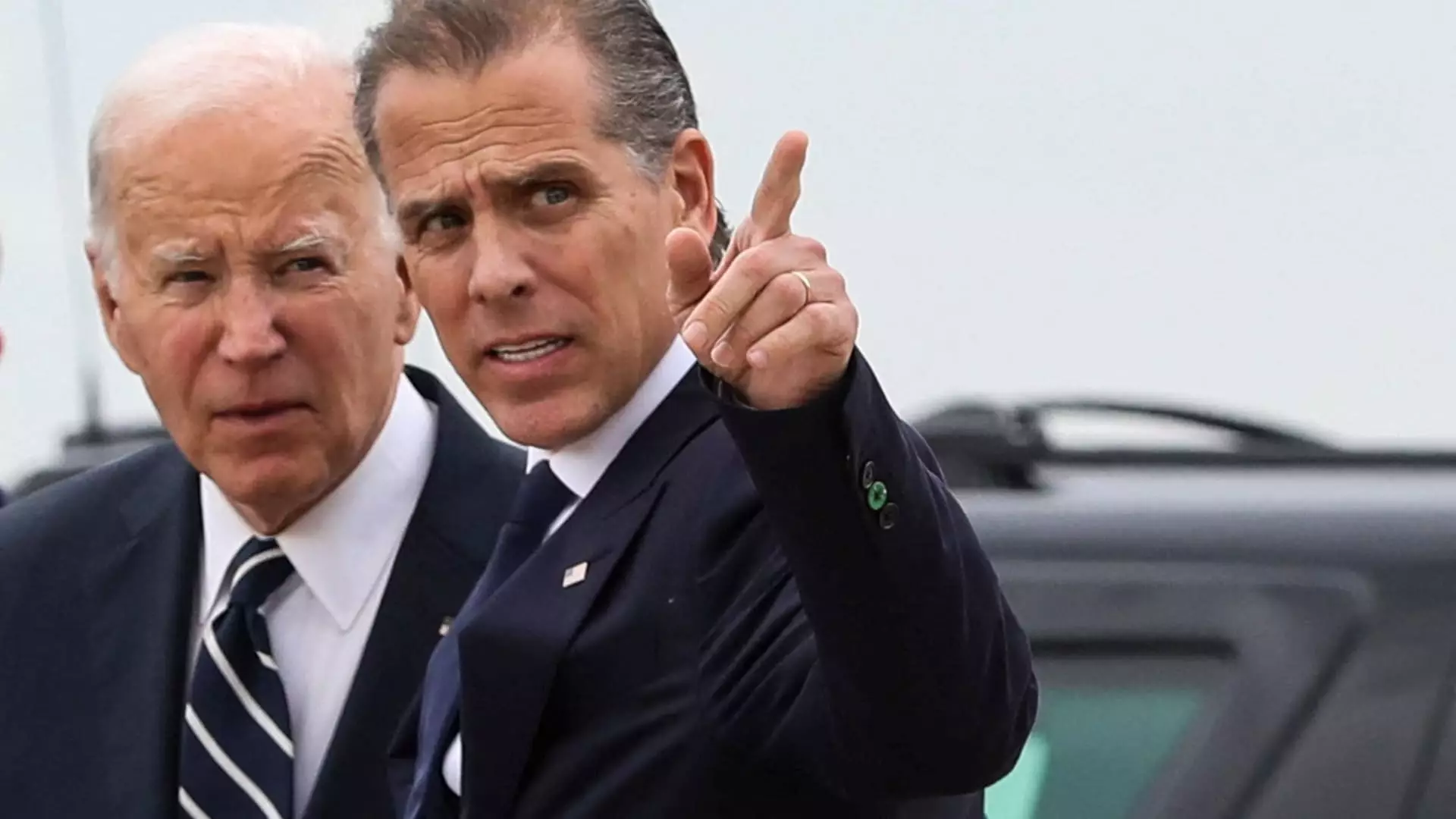
In the whirlwind of political theater, the clarity of a leader’s mind is paramount. Yet, the recent revelations about President Joe Biden’s performance in the 2024 debate paint a disturbing picture of possible cognitive decline masked behind layers of manipulation. Hunter Biden’s candid admission—that his father took Ambien before the crucial debate—shatters the illusion of a president at his peak mental acuity. While the administration dismissed Biden’s faltering speech as a “cold,” these claims cast doubts on the true condition of a man whose capacity to govern effectively is now questionable. The very fabric of trust and transparency begins to unravel when powerful figures rely on prescription medications to mask the effects of aging and fatigue during critical moments that demand mental clarity.
Age, Fatigue, and the Illusion of Competence
Joe Biden’s advanced age is an undeniable fact, and with it comes inevitable questions about his physical and mental resilience. The synchronization of a demanding schedule with the natural decline of cognitive faculties raises legitimate concerns. The repeated European trips, the packed travel itinerary—each phase of Biden’s presidency underscores the toll of a relentless schedule on an octogenarian leader. Publicly, official statements linked his debate stumble to temporary illness or fatigue, but behind the scenes, the use of sleep aids like Ambien suggests an attempt to mask the signs of exhaustion and mental fog. This prevarication sets a dangerous precedent for political leadership, risking a situation where the leader is no longer in full control of their mental faculties, yet remains in power due to political convenience or fear of destabilizing the status quo.
Politicized Investigations and Shadows of Suspicion
Hunter Biden’s remarks are likely to invigorate partisan investigations aimed at probing Biden’s mental health, with Republicans seizing this narrative as evidence of supposed incompetence. The ongoing House Oversight Committee hearings, with witnesses invoking their Fifth Amendment rights, reflect an atmosphere charged with suspicion and political motives. The suppression of testimony hints at an attempt to conceal uncomfortable truths rather than uphold transparency. This dynamic raises profound ethical and democratic concerns: should a leader’s vulnerabilities be hidden for political gain, or should the public have full disclosure? As these investigations unfold, the clear suspicion remains that the political establishment prioritizes false stability over genuine accountability.
The Broader Implications for Democratic Ideals
At its core, this controversy underscores a fundamental crisis in leadership integrity. Modern democratic nations rely heavily on informed electorates capable of scrutinizing their leaders’ health and capacities. When a president’s cognitive and physical health are questioned behind closed doors, the very essence of democratic accountability is compromised. Equally troubling is the broader societal abdication of responsibility—voters often accept vague reassurances instead of demanding transparency. The Biden episode exemplifies a troubling trend: the valorization of superficial stability over substantive honesty. Such a compromise further erodes public trust, fostering cynicism and disengagement among citizens who deserve honest governance.
Challenging the Political Monolith
In a political landscape that often leans toward dismissiveness of aging leaders, this incident should serve as a wake-up call. It illuminates how the system inadequately addresses the realities of aging statesmen, sacrificing integrity for electoral expediency. A more ethical approach would involve rigorous, non-partisan assessments of leaders’ health, coupled with transparent communication. Instead, current tactics involve stonewalling and silence, further deepening the distrust. If leadership is to remain a pillar of democracy, it must evolve past superficial appearances and embrace a culture of honesty—acknowledging vulnerabilities while ensuring decision-makers are still capable of safeguarding national interests.
The revelations about Biden’s debate performance, coupled with evidence of medication use and looming investigations, cast a long shadow over the integrity of current leadership. These stories highlight the urgent need for accountability, transparency, and a realistic acknowledgment of aging in political figures. Society must demand honesty over political convenience, or risk endorsing a presidency that, behind closed doors, may be no more than a façade.