
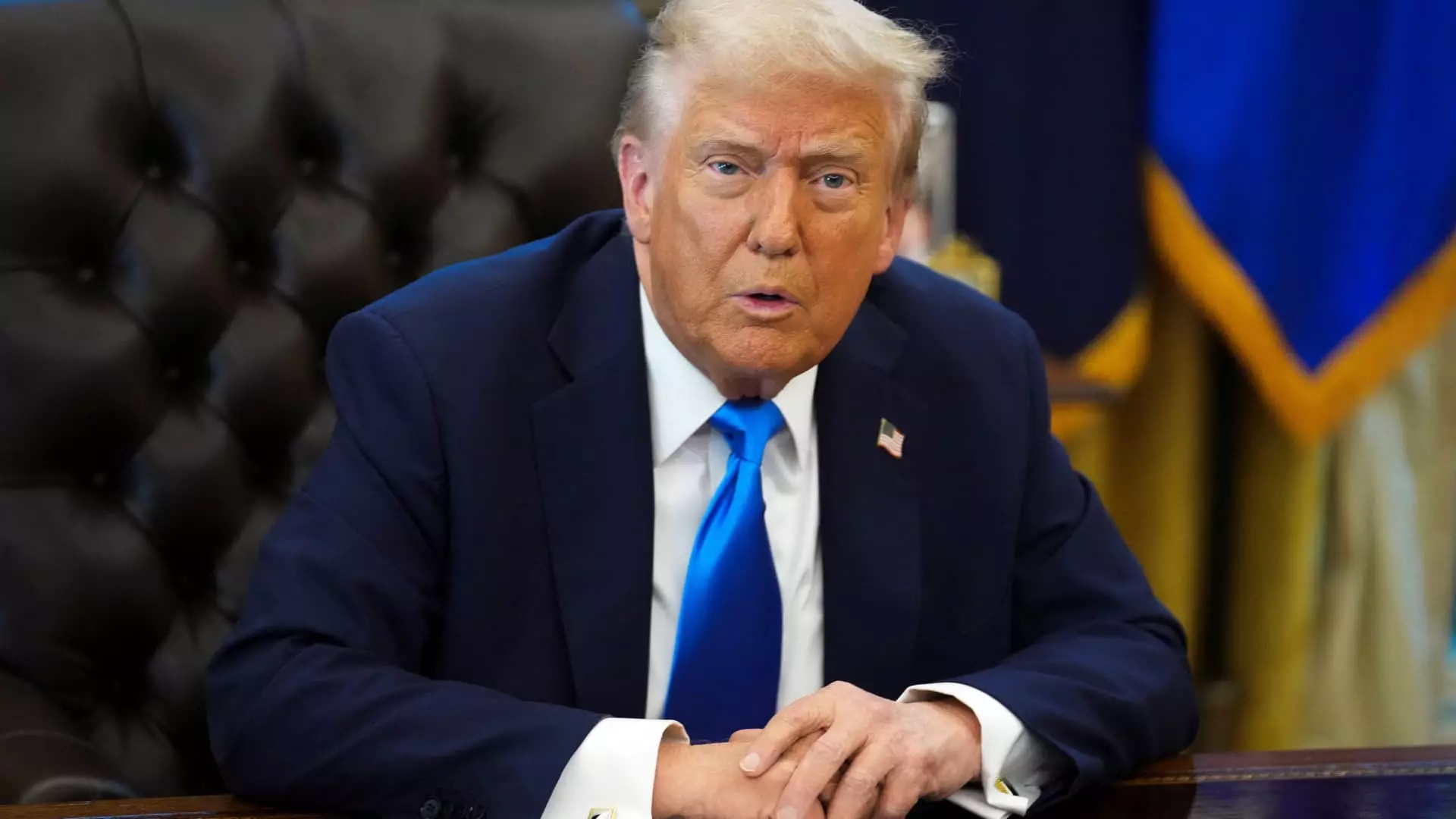
In the high-stakes political theater surrounding TikTok’s future in the United States, simplistic narratives of national security are often thrown into the spotlight. Yet beneath the veneer of patriotism and innocent business deals lies a complex web of influence that reveals much about the true nature of power negotiations between nations. While President Trump claims that American entrepreneurs like Lachlan Murdoch, Larry Ellison, and Michael Dell will be pivotal players in securing TikTok’s American future, the reality is far more nuanced. These claims, often highlighted for political bravado, obscure the underlying influence of corporate interest and geopolitical maneuvering. The entire debate over TikTok’s future appears less about safeguarding Americans’ data and more about asserting dominance over a critical global communication tool—one that serves as both a lucrative business and a strategic asset.
Rather than a genuine effort to restore sovereignty, this discourse reveals how the American political and corporate elites are engaging in a performative dance—profiting from the illusion that they can impose their will on a multinational platform owned by Chinese interests. The involvement of big American names, such as Murdoch’s Fox Corporation, Oracle, and Dell, appears more as strategic leverage than genuine guardianship of national interests. These corporations are certainly influential, yet their actual power in shaping global tech policies is often exaggerated, serving more as pawns in a complex chess game with China rather than independent actors defending American ideals.
Strategic Ambiguity and the Powerplay Behind the Deal
White House claims that six of the seven board members of TikTok will be Americans, with control over the app’s algorithm being handed to Oracle, are presented as concrete steps toward “Americanization” of TikTok. But in reality, such language disguises the profound ambiguity of international negotiations. It’s not about protecting user data; it’s about controlling a platform that influences billions of people worldwide. The U.S.’s insistence on rightful governance and algorithm oversight can easily be seen as a means to dominate digital narratives, suppress dissent, and further entrench its technological supremacy.
Moreover, President Trump’s assertion that “patriotic” investors are involved in the deal sounds more like political rhetoric than a sober assessment. Although claims suggest the deal is progressing, China’s own diplomatic statements reveal deep divides and underlying tensions, suggesting negotiations are less about fair trade and more about dominance and influence. The Chinese government’s emphasis on market rules and the desire to conduct negotiations on a level playing field reflect their calculated stance: they seek to protect their interests while maintaining their influence over Chinese companies operating abroad. It’s a negotiation of power disguised as a commercial arrangement.
The Myth of American Control and the Reality of Global Corporate Power
This entire saga exemplifies how national security narratives are often intertwined with economic interests, creating a myth of sovereign control that serves elite interests rather than genuine public good. The involvement of American business magnates and political figures in these negotiations symbolizes a broader trend: the co-opting of national interests to serve corporate agendas. Far from absolute control, the U.S. seems more interested in shaping a narrative of dominance, using legislation, media influence, and strategic partnerships to maintain its place in the global order.
Despite the assertions of transparency and national security, the core issues—data sovereignty, influence over digital content, and foreign investments—remain unresolved. The infusion of American corporate players into the deal suggests a way to mask the geopolitical contest as a commercial solution, fostering the illusion of a cooperative effort to “protect” Americans’ digital lives. But ultimately, this is about consolidating power in an era where technological influence equates to geopolitical strength. Whether or not TikTok stays in the U.S., it will remain a battleground for control over narratives, data, and global influence—an arena where the political veneer always conceals deeper stratagems of dominance.