
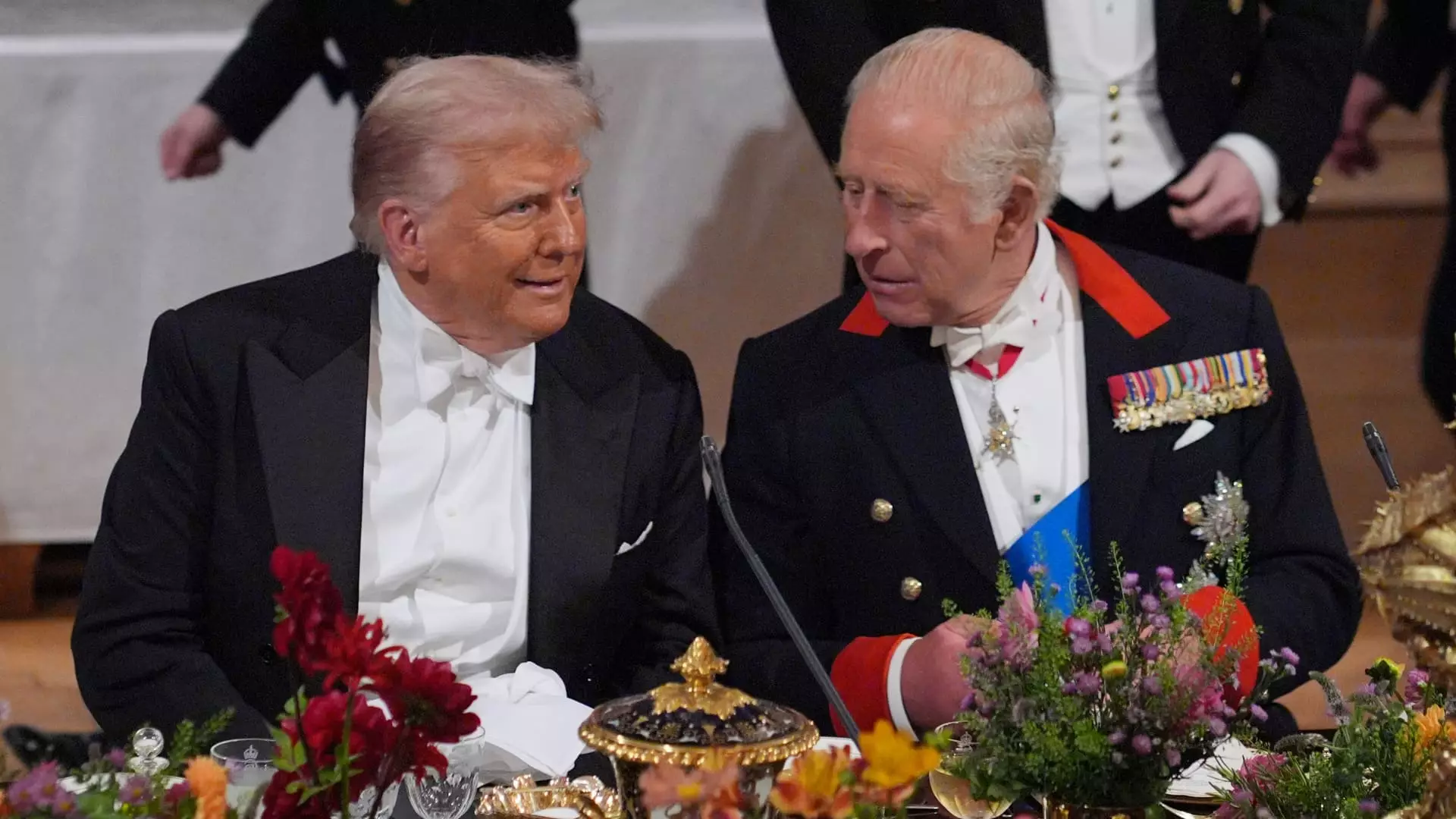
Visiting Windsor Castle, Trump’s spectacle-laden trip was designed to impress and dazzle, but beneath the veneer of pomp and pageantry lies a troubling tendency among global leaders: to obscure genuine geopolitical fragility behind superficial grandeur. The lavish ceremonies, royal gun salutes, and star-studded receptions serve more to placate national pride and deflect criticism than to cement meaningful policy breakthroughs. While the U.K. rolls out its red carpet to woo the U.S. leader, the core issues—ranging from trade tariffs to ongoing conflicts—are left with even more unresolved tension.
When U.S. and U.K. officials parade through Windsor or gather at Chequers, the scene often resembles a carefully curated spectacle designed for the cameras rather than authentic diplomacy. The charm offensive might win headlines, but it rarely addresses the foundational disagreements that threaten to undermine mutual interests. The symbolic gestures—military honors, royal toast, and promises of “economic prosperity”—are often little more than smoke screens. These rituals do little to confront the real fractures in transatlantic relations, especially as issues like steel tariffs, foreign conflicts, and trade inequalities linger stubbornly.
The Illusion of Close Ties in an Uncertain Geopolitical Climate
While it’s easy to romanticize the alliance between Britain and America, the reality is far more complex. Trump’s statement about “refining” the trade deal reveals a fundamental truth: even when agreements are heralded as victories, they are often fragile and subject to renegotiation. The U.K., eager to showcase newfound economic opportunities—£150 billion in investments—appears somewhat dependent on American approval. Such dependence exposes a lack of strategic autonomy, a vulnerability in an era marked by unpredictable global shifts, such as burgeoning conflicts in Ukraine and the Middle East.
Moreover, the episode illuminates a troubling narrative: the U.K. and the U.S., despite rhetoric about shared values, are often wielding diplomacy as a tool to serve economic interests rather than addressing pressing societal needs. This transactional approach can sow resentment among citizens who see the focus on negotiations, investments, and high-level dinners as disconnected from their daily realities. People increasingly want policies that address inequality, climate change, and social justice—not just grandstanding diplomacy aimed at securing lucrative deals or enhancing national prestige.
Where Genuine Leadership Is Missing Behind the Charade
The spectacle at Windsor and Chequers masks an undeniable truth: true leadership involves confronting difficult issues with honesty rather than masking them with ceremonial grandeur. While Trump’s speeches and the royal pageantry might boost national pride temporarily, they do little to solve the crises that judgmentally threaten stability. The protracted conflicts, trade tensions, and diplomatic snares require real, substantive engagement—something that global politics too often overlook.
It’s also notable that the UK’s attempt to “impress” with high-profile visits and lavish ceremonies does little to hint at an underlying crisis of confidence. Post-Brexit Britain walks a tightrope between forging new international paths and grappling with its diminished influence, all under the weight of historic ties that are increasingly strained. Meanwhile, Trump’s populist rhetoric and unpredictable policy stance cast long shadows over predictability — the cornerstone of strong, principled diplomacy.
In the end, high society dinners, royal receptions, and photo ops do little to stretch beyond surface-level diplomacy. Underneath, the vital issues—climate crises, rising inequality, war, and destabilization—are often framed as secondary concerns. Genuine statecraft demands transparency, foresight, and difficult conversations. The current diplomatic charade, with all its grandeur, falls painfully short of these standards, making it clear: behind the polished veneer is a cycle of superficial gestures that do little to address the complex, often painful realities facing our world today.