
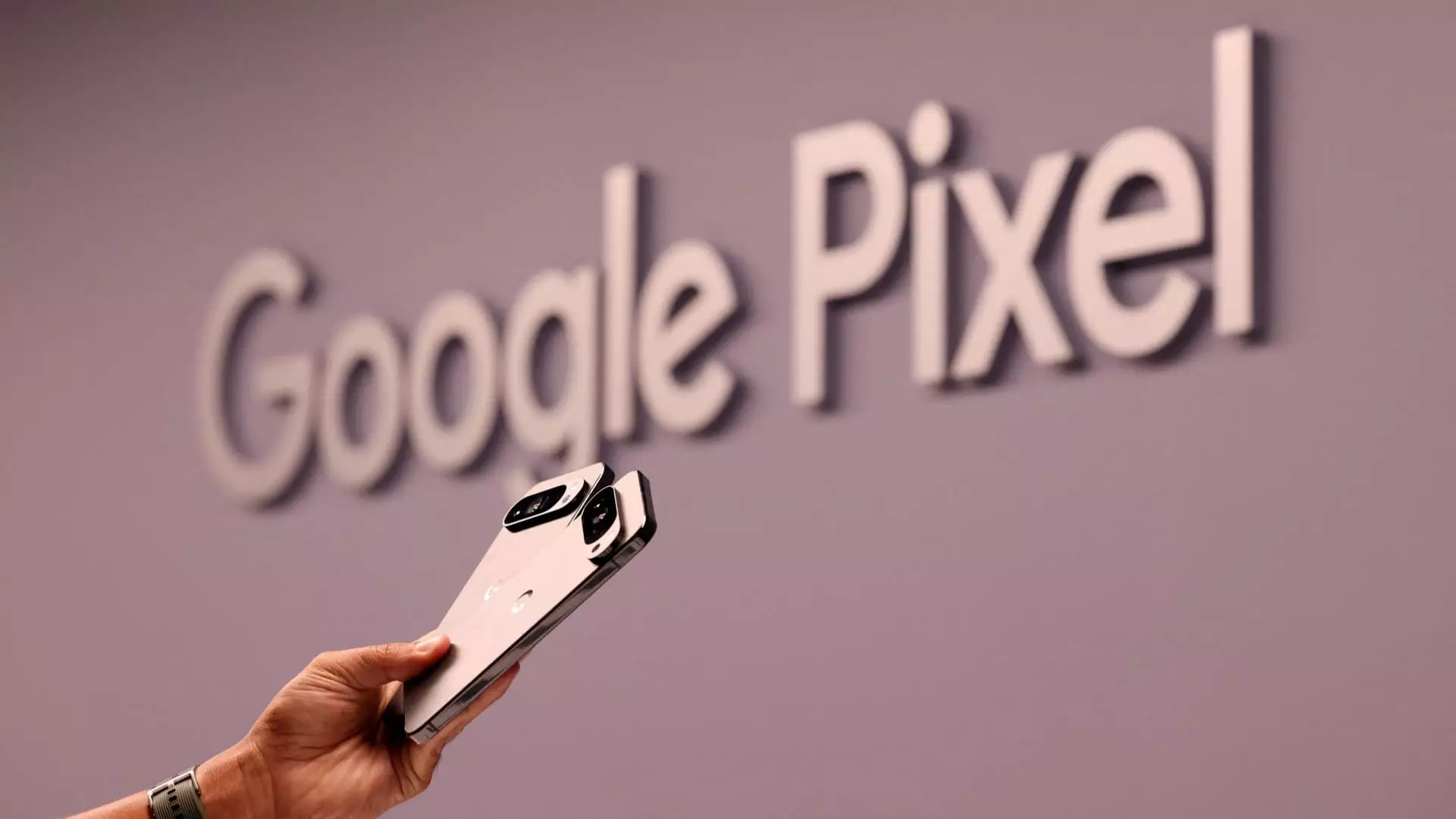
Google’s recent rollout of AI-powered features for its Pixel devices and the broader Android ecosystem feels like a superficial attempt to mask its declining dominance in core services. While flashy new tools like “Magic Cue” and real-time translation seem impressive on the surface, they serve as distraction rather than genuine innovation. These features, built on the Gemini AI models, are more indicative of an industry desperate to catch up with emergent competitors like OpenAI and Perplexity rather than proof of a true technological leap. The company’s real challenge isn’t in launching shiny gimmicks but in maintaining its relevance amid a rapidly shifting AI landscape that it has been slow to fully embrace.
Much of Google’s recent focus seems to revolve around leveraging its vast Android install base—more than three billion devices worldwide—to extend its AI influence. However, this strategy raises troubling questions about sustainability. Is Google simply riding the coattails of its ecosystem’s ubiquity, or does it genuinely possess the innovative capacity to lead? The latter appears increasingly doubtful as Google’s AI efforts often feel reactive rather than proactive, attempting to mimic the lines of competitors who have been more aggressive and daring in their approach. The risk is that Google’s AI push might ultimately serve more as a defensive maneuver—trying to stave off user attrition—rather than creating revolutionary advances that transform how humans interact with technology.
The Echo Chamber of Self-Delusion in Tech Leadership
Behind the scenes, Google’s leadership seems blinded by their confidence in their existing assets, especially Android. They project a false sense of security in the hope that ubiquity will lead to dominance, but this strategy ignores the fundamental truth: the user’s experience and the quality of AI interaction will determine who leads in this new era. Relying on the sheer number of Android devices as a “flywheel effect” might generate data and user feedback, yet it does little to guarantee genuine progress. Instead, it risks entrenching mediocre AI solutions that merely serve as features, not catalysts for meaningful change.
There’s also an almost hubristic assumption that because Google developed a sprawling operating system, it has an inherent advantage. However, Android’s pervasive presence hasn’t translated into meaningful user loyalty for Google’s AI ambitions—it remains a platform weaponized more for hardware competition than AI innovation. The risk is that Google is mistaking distribution for differentiation, failing to realize that today’s users demand not just access but truly intelligent, reliable, and ethical AI companions. The company’s myopic focus on scale over quality could diminish trust and cause users to drift towards more purpose-driven rivals.
Strategic Myopia and Missed Opportunities
Google’s apparent complacency regarding AI monetization is emblematic of broader strategic myopia. The company seems content to build impressive AI capabilities without a clear plan on how to actually profit from them, risking the creation of a “free but meaningless” AI environment. This oversight could sow the seeds of its own decline, as competitors like OpenAI and others rapidly experiment with monetization models that turn AI into a tangible revenue source.
Furthermore, Google’s soft focus on AI has left a glaring gap visible to investors and consumers alike—its lack of a compelling, integrated AI ecosystem comparable to what Apple is beginning to develop with its increasingly AI-centric iOS features. While Apple is hesitant and deliberate, this cautious approach might prove advantageous by avoiding false starts and rushing to market with half-baked features. Google, on the other hand, seems engaged in a race to launch without fully understanding or managing the ethical, privacy, and usability implications of its AI ambitions.
The imminent battle for dominance isn’t just about technical prowess—it’s about trust, ethical implementation, and sustainable growth. Google’s current trajectory, driven more by a desire to maintain relevance than to lead genuinely, illustrates a broader challenge facing traditional tech giants: innovation that isn’t rooted in real consumer benefit only risks superficiality. Their overconfidence and strategic shortsightedness threaten to leave them behind, buried under a mountain of hype and misplaced optimism.