
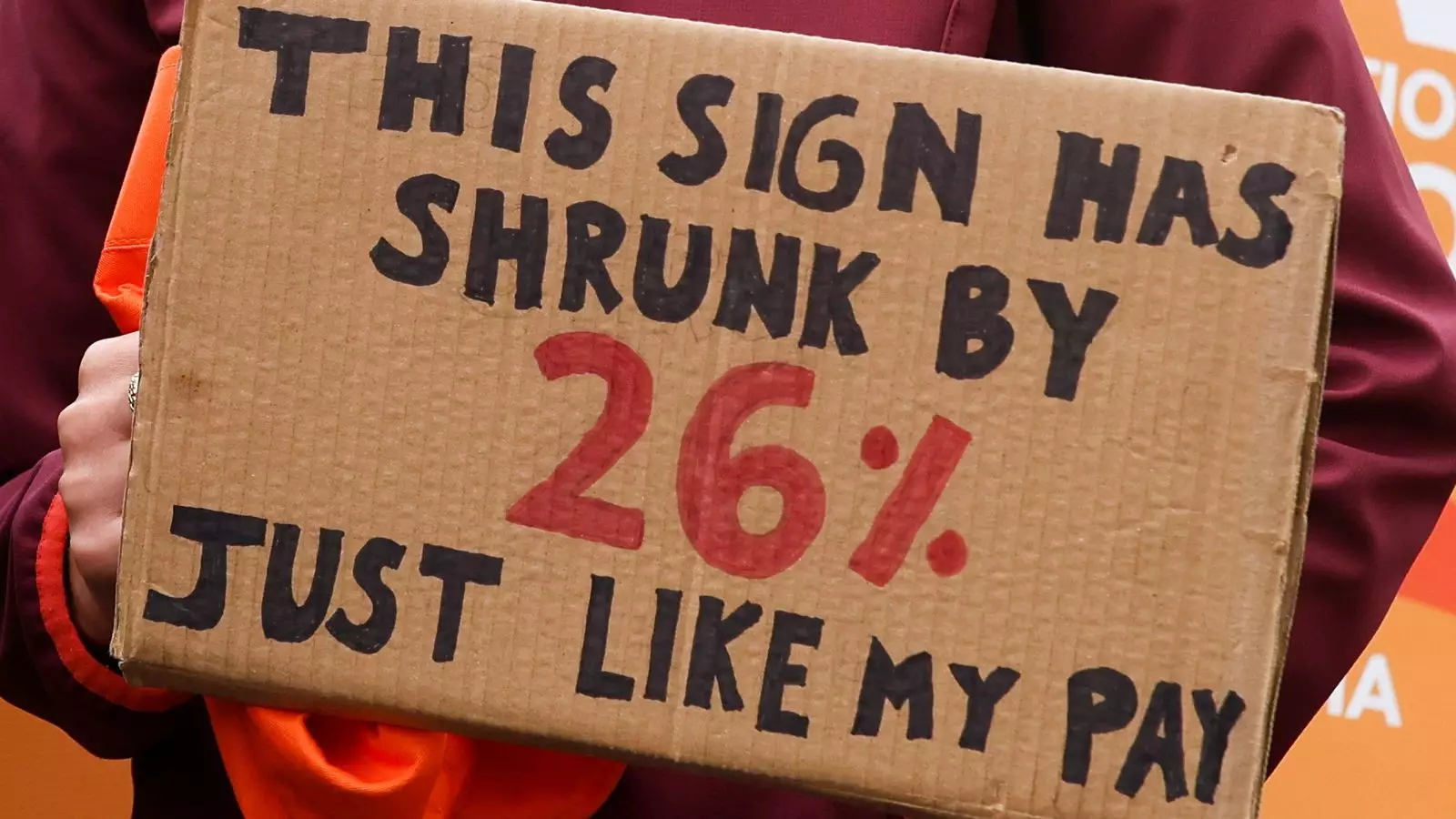
The rhetoric surrounding NHS reform often masks deeper systemic issues that persist beneath shiny promises of improvement. Politicians and administrators tend to present reforms as revolutionary solutions, but the reality is fundamentally more complex and less optimistic. Every attempt at overhaul seems to stumble against the unyielding truths of underfunding, staff burnout, and a public increasingly disconnected from the struggles faced by frontline healthcare workers. The recent negotiations between the government and the BMA highlight this dissonance, revealing the gap between political spun narratives and the harsh realities of the NHS workforce.
Despite claims of progress, it’s clear that reform efforts are often superficial, designed more to quell political pressure than to resolve root causes. The Department of Health touts ambitious future plans wrapped in the rhetoric of long-term vision, but these are hollow unless backed by genuine investment and respect for the staff who are the backbone of the NHS. The persistent underinvestment, stretching back nearly two decades, saps morale and erodes trust, turning what should be a prideful profession into one marked by struggle and disillusionment.
Pay Disputes: The Symptom, Not the Cause
The core of the current discord lies in money—or rather, the perception that NHS staff have been repeatedly underpaid relative to their contribution and workload. The BMA’s demand for a 26% pay restoration underscores a deep frustration, rooted in years of stagnation and austerity measures. From their perspective, this is about justice for those who have sacrificed their well-being and work-life balance to keep the health service afloat amid austerity.
However, the government’s counter argument—that pay rises of nearly 29% have already been awarded—reveals a fundamental disconnect. It exposes how political narratives focus on figures rather than understanding the chronic underpayment and burnout driving these strikes. That disconnect fuels public skepticism, particularly as many see NHS staff as privileged, forgetting the years of austerity and understaffing that have compromised patient safety and work conditions. The reality is that, while pay negotiations are contentious, they are symptomatic of a deeper crisis of respect and recognition.
Decentralization: A Band-Aid for Systemic Failures
The government’s plan to devolve decision-making to local trust leaders seems pragmatic on paper but risks further fragmenting an already fragile system. Allowing local managers to decide which patients can proceed with care introduces a dangerous element of inconsistency and conveys a disturbing message—that some patients are less deserving of urgent treatment. It also shifts the burden from addressing systemic underfunding to managing appointments and perceived priorities.
This approach is not a solution but a temporary patch—one that could undermine the core principle of universal healthcare. If anything, it risks eroding public trust further by creating potential disparities in care. Moreover, it highlights how disconnected policymakers are from the realities faced by healthcare professionals on the ground, who repeatedly warn that staffing shortages and unsustainable workloads threaten patient safety. The attempt to ‘manage’ crises through administrative flexibility neglects the fundamental need for adequate funding and workforce support.
The Tensions That Divide and Endanger Patient Care
At its heart, the NHS dispute exemplifies a widening chasm between political leadership and healthcare professionals. The BMA’s fight to restore fair wages is not just about individual paychecks but about acknowledging the value of NHS staff in a system pushed to its limits. Conversely, the government’s efforts to avoid full-blown strikes seem driven by pragmatic fears rather than a genuine commitment to workforce reform.
In the interim, patients suffer the collateral damage—postponed appointments, disrupted treatments, and the constant threat of safety compromises. Staff burnout intensifies, creating a vicious cycle where the very workers needed to deliver care are compelled to strike or leave, further destabilizing an already overstretched service. This ongoing conflict underscores the urgent need for honest, meaningful investment rather than superficial negotiations cloaked in political expediency. The question remains: how much longer can this fragile façade hold before the NHS truly collapses under its own weight?