
In recent discussions about the global influence of American tech giants, an unsettling truth emerges: what is portrayed as a unified front against regulation might actually be a strategic maneuver driven by self-interest and a desire to preserve unchecked dominance. Behind closed doors, the narrative of cooperation among tech titans like Meta, Apple, and Microsoft is increasingly revealing its true colors—a calculated resistance to progressive policy measures aimed at safeguarding public interests, digital safety, and democratic transparency. The idea that these corporations might band together to oppose European efforts to regulate their power raises serious ethical questions about corporate greed and geopolitical manipulation.
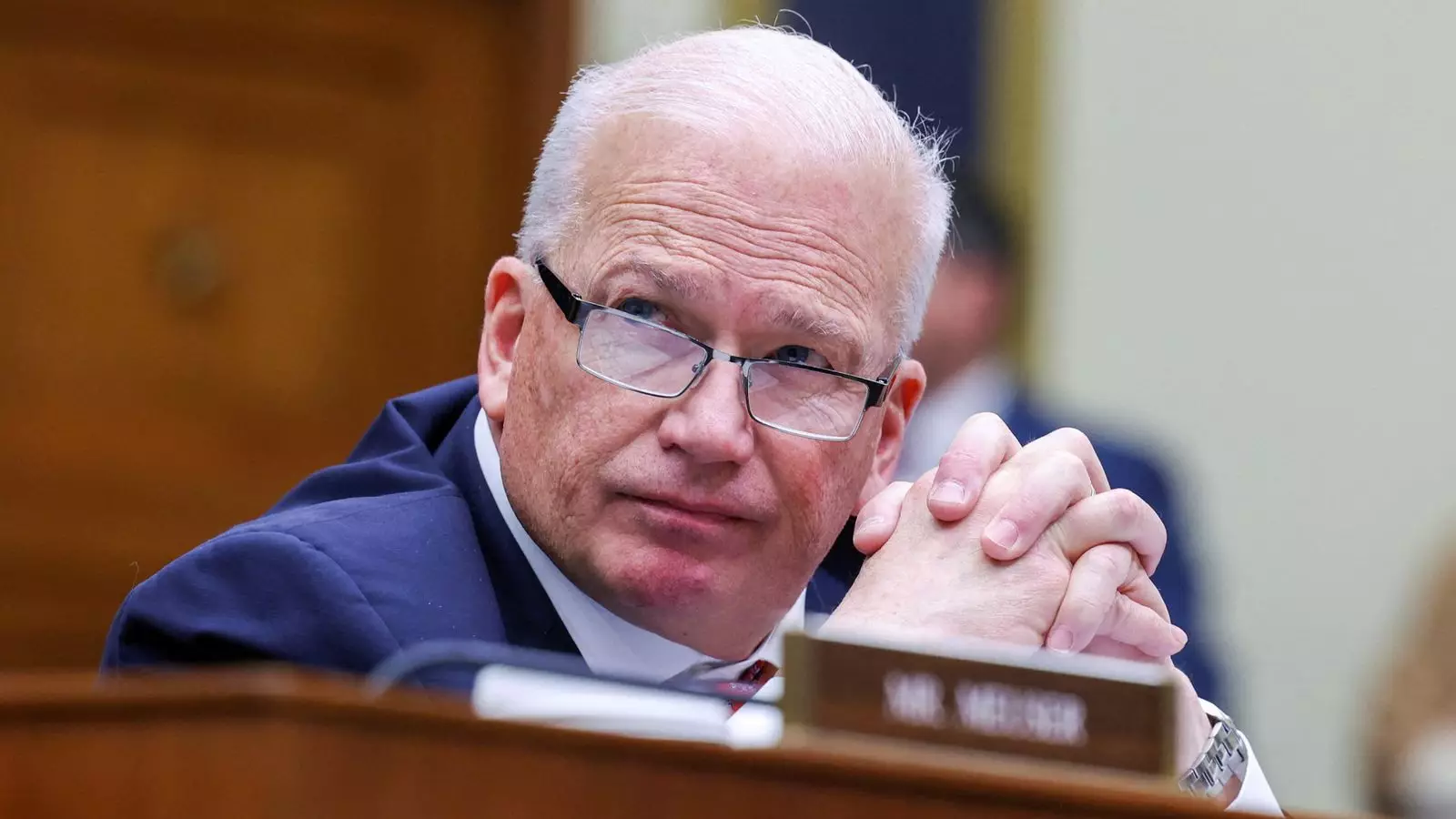
When figures like Senator Scott Fitzgerald hint at a “united front,” they obscure the reality that such unity could serve to undermine accountability rather than foster corporate responsibility. This covert alliance—whose existence is deliberately kept vague—appears motivated more by a will to preserve profits and influence than by any genuine concern for users’ rights or societal well-being. Their reluctance to confirm any collaboration suggests a strategic effort to avoid accountability while presenting a façade of independence. Such tactics reveal the sinister reality: large tech corporations are sometimes more aligned in their opposition to regulation than they are committed to the public good.
The Power Play Behind Anti-Regulatory Campaigns
The recent move by these giants to confront stringent regulations across Europe and the United Kingdom underscores a broader pattern of resistance rooted in capital interests. The UK’s Online Safety Act and similar European initiatives aim to curb harmful content, ensure transparency, and hold tech companies accountable for their role in propagating misinformation, hate speech, and unsafe content. Yet, these corporations appear intent on dismantling these efforts, emphasizing a shared agenda disguised under the pretext of protecting free speech.
This orchestrated opposition signals a dangerous shift—a move toward corporate interests trumping democratic oversight. When companies like Meta refuse to confirm their alleged coordination against regulation, it exposes their preference for opaque operations and secret alliances that threaten to undermine democratic processes. The narrative spun by pro-corporate politicians suggests their opposition is rooted in protecting innovation or free enterprise, but closer examination reveals a tactical effort to avoid meaningful regulation that might curb their profits and influence.
The Civil Society at Risk
The implications of such a collusion extend far beyond corporate boardrooms; they threaten the fundamental fabric of democratic governance and societal well-being. As these companies push back against rules designed to protect vulnerable populations from harmful online content, they effectively prioritize market dominance over public safety. The fear that these corporations might collaborate to weaken legal safeguards clearly points to a disturbing prioritization of profits over principles.
Moreover, the narrative pushes the misconception that regulation equates to censorship—a dangerous oversimplification that serves corporate interests by sowing fear about government oversight. It disregards the vital need for transparency, accountability, and user rights in digital spaces. As corporations leverage political rhetoric to frame regulation as an attack on free speech, they manipulate the public discourse while secretly working to ensure that their power remains unchallenged at the expense of societal well-being.
A Center-Left Perspective on Balance and Accountability
From a centrist liberal standpoint, the drive to regulate digital platforms should be rooted in balanced, evidence-based policies that protect fundamental rights while fostering innovation. Excessive deregulation or laissez-faire attitudes have historically resulted in social harm—think of the dissemination of misinformation, privacy invasions, and algorithmic biases that perpetuate inequality. The resistance from powerful corporations, therefore, appears as a pushback against necessary reforms that promote fairness and accountability.
While criticism often targets government overreach, it is imperative to recognize that regulation—when crafted transparently and democratically—is essential to prevent corporations from operating as unchecked monopolies that threaten democracy. The claims of a “chilling effect” are often exaggerated and used as a smokescreen. Genuine democratic oversight seeks to clarify obligations, enhance transparency, and uphold societal values rather than suppress free expression.
By adopting a critical lens, it becomes apparent that collaboration among big tech to sidestep regulations reflects a troubling convergence of interests—one that risks marginalizing vulnerable groups, eroding trust, and consolidating monopolistic power. Ensuring that regulatory frameworks serve the public rather than corporate profits requires vigilance, transparency, and a firm commitment to democratic principles. It is incumbent upon policymakers, civil society, and informed citizens to scrutinize these alliances and to insist that the digital realm prioritize human rights over corporate expediency.