
In a landscape marred by political posturing and economic uncertainty, the European Union’s recent pledge to invest an additional $600 billion into the United States appears, at first glance, to be a significant boost for bilateral relations. However, a critical examination reveals that this promise is more of a mirage than a concrete gain. The EU’s commitment is expressed as a broad, non-binding projection—an aspirational target rather than a legally enforceable obligation. This distinction fundamentally weakens the potential impact of the pledge, transforming it into a political tool rather than a catalyst for genuine economic integration or growth.
From the outset, the EU’s communication underscores the voluntary nature of this promise. The investment figures are derived from industry interest and market possibilities rather than enforced commitments. European officials have reached out to sectors to gauge interest and have compiled estimates that suggest, in theory, sizable investment flows into the U.S. by 2029. But what’s missing is the enforceable legal framework that binds member states or private corporations to actual spending. The gap between intention and action remains wide and problematic.
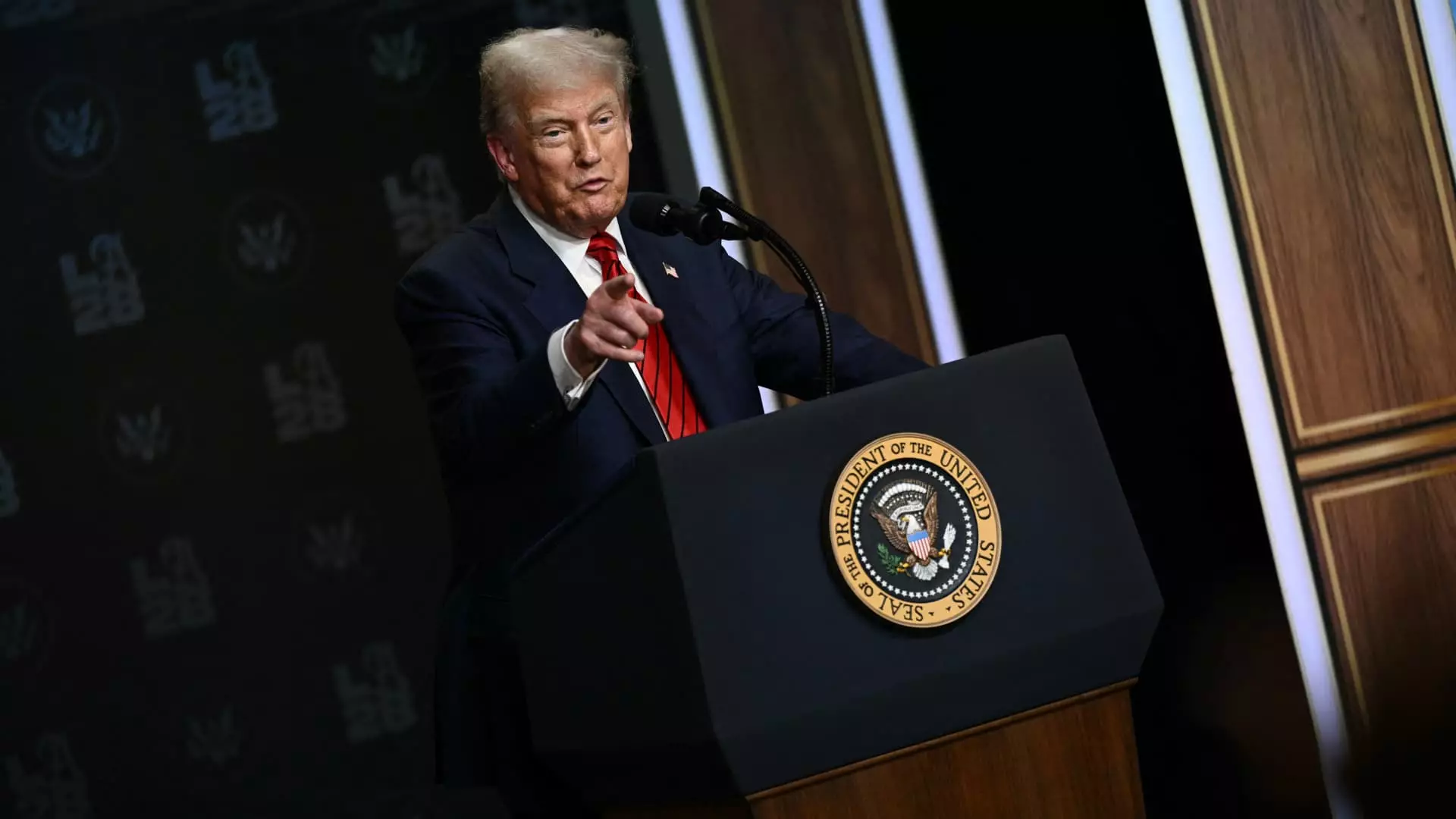
This symbolic gesture fits into a broader pattern of diplomacy that prioritizes posturing over substantive change. The EU’s transparency is limited; it provides no hard deadlines, no binding frameworks, and no mechanisms for accountability. For Trump, this ambiguity allows him to frame the pledge as a “gift,” elevating what is essentially an unfulfilled promise into political capital. Yet, such framing risks creating false assurances and complacency, which could ultimately undermine long-term strategic interests.
The Reality of Implementation: Constraints and Challenges
In practical terms, actual investment depends on a web of economic, political, and corporate decision-making processes that are susceptible to delays and uncertainties. While sectors like manufacturing, finance, chemicals, and tech are cited as likely recipients, the decision to invest heavily in any of these areas hinges on individual company assessments of risk, regulatory stability, and market prospects. Given the volatile policy environment created by Trump’s administration—known for unpredictable tariffs and threatened trade disruptions—the environment for sustained investment is far from ideal.
Moreover, the EU’s ability to enforce these commitments is inherently limited. Unlike a binding treaty, this pledge cannot compel private companies or member states to action. It relies heavily on voluntary participation, which is vulnerable to changing political priorities, economic conditions, and external shocks. The concern is that without enforceability, the EU’s figures serve more as hopeful projections than tangible movement. The risk is that companies may underperform on these plans, especially if market or policy uncertainties erode confidence.
This scenario is not just a matter of bureaucratic ineffectiveness; it reflects a deeper structural limitation in the EU’s economic coordination. Member states have diverging interests and varying degrees of economic resilience, making centralized commitments more challenging to uphold. As such, the EU’s “investment” pledge resembles a well-meaning but ultimately hollow promise—a political gesture aimed at diplomacy rather than a pathway to immediate economic benefit.
Strategic Motivations and Political Leverage
The timing and framing of this pledge suggest political motivations that extend beyond economics. Trump’s characterization of the EU’s commitment as a “gift” and his suggestion that tariffs could be reimposed if investments falter reveal a strategic use of economic promises to exert pressure. This transactional approach underscores his administration’s tendency to leverage economic diplomacy as a means of extracting concessions or reinforcing American dominance in trade negotiations.
Furthermore, the timeframe of 2029, coinciding with the end of Trump’s term, introduces a layer of political calculation. Given the uncertainty surrounding future U.S. policies post-2024, the pledge can be viewed as a bargaining chip rather than a definitive plan. If the investments do not materialize, or if political tides shift, the “deal” becomes a tool for Trump to justify future tariffs or trade restrictions—maintaining a posture of superiority and control in negotiations.
This transactional and somewhat unstable approach to international trade reveals a broader vulnerability in the U.S.-EU relationship. It underscores the fragility of agreements rooted in political agendas rather than institutional commitments, risking future disputes and deteriorating trust. The proposed investment, therefore, serves more as a political symbol than a strategically sound economic plan. Any hope of transformative economic cooperation that benefits both parties equally risks being overshadowed by the political theater of trade conflicts.
A Critical Perspective: The Mirage of Mutual Benefit
From a center-left liberal perspective, this entire scenario exemplifies the pitfalls of short-term transactional diplomacy. While engaging in negotiations that promise large-scale investment might sound appealing, the reality is that such pledges often mask deeper issues—namely, a lack of genuine commitment and structural capacity. Relying on industry interest, voluntary participation, and non-binding commitments inherently undermines the prospects for meaningful economic partnership.
This situation highlights the importance of fostering transparent, enforceable international agreements that prioritize mutual economic stability. It underscores the need for multilateral institutions and diplomatic norms that can provide accountability, ensuring that commitments made in the heat of political negotiation translate into tangible outcomes. Otherwise, we risk crossing into a realm where rhetoric outpaces reality, leaving economic hopes to fade into the background amid geopolitical brinkmanship.
In the long term, genuine cooperation must be rooted in mutual trust, enforceable commitments, and shared benefits—not in ambiguous promises or strategic bluffs. The EU’s vow, while seemingly generous at face value, exemplifies how political will often falls short of operational capability, and how short-term political gains can eclipse the pursuit of sustainable, cooperative economic growth. That is a lesson we should heed—and not be satisfied with superficial gestures that threaten to leave all parties disappointed.