
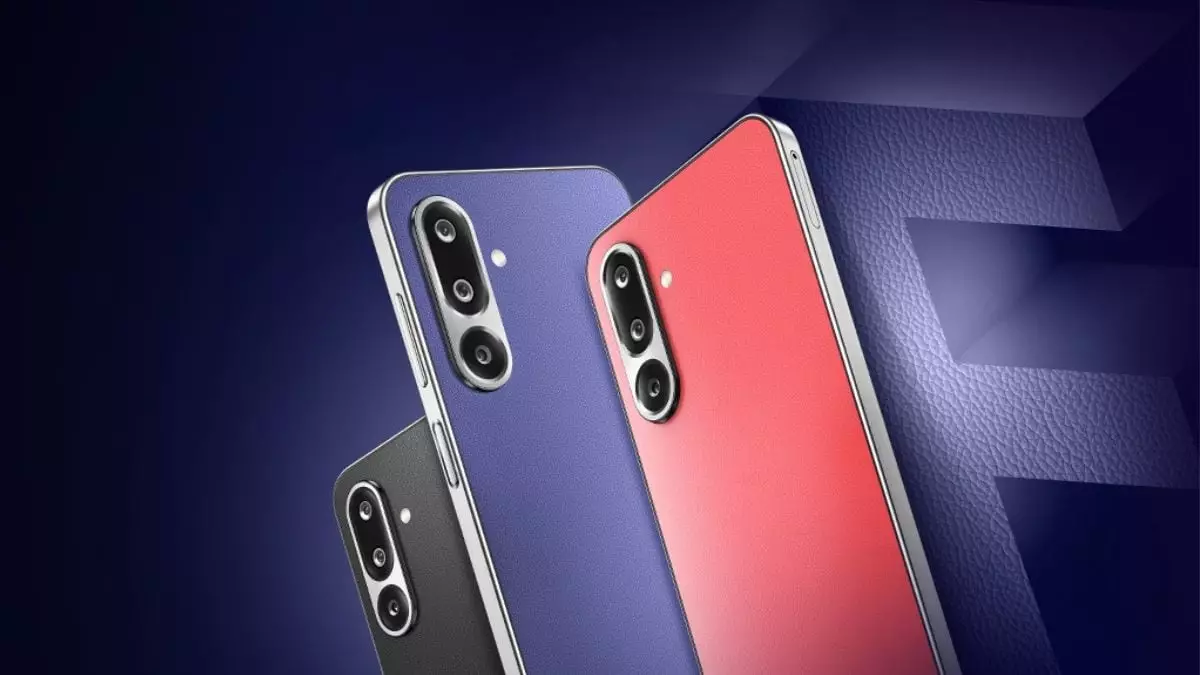
Every launch cycle, Samsung attempts to redefine the meaning of “affordable” in the competitive world of smartphones. The Galaxy F36 5G, priced under Rs. 20, in India, claims to balance features and cost-effectiveness. But as consumers, especially those caught between the hope of premium features and the reality of budget constraints, we must critically examine if this device genuinely embodies value or merely peddles superficial appeal. The hype around affordability often masks the compromises behind the scenes—questionable build quality, software bloat, and a nagging tendency to overpromise in advertising.
While Samsung touts its latest F-series as a feat of clever engineering, the fact remains that many consumers are being sold a narrative more polished than the device itself. The leather finish rear panel may seem like a high-end touch, but in practice, it might be more of a marketing gimmick designed to disguise a plastic build. The real question is whether such superficial aesthetics distract us from the core issues of durability and longevity that budget phones tend to suffer from.
A Flimsy Balance of Power and Performance
The Galaxy F36 5G is powered by an Exynos 1380 chipset—an octa-core processor that, while sufficient for daily tasks, falls short in delivering the robustness expected from a flagship experience. Its pairing with up to 8GB RAM and 256GB storage does sound promising on paper, yet in the real world, performance gaps quickly emerge, especially under sustained multitasking or demanding applications. The inclusion of a vapour chamber for thermal management hints at Samsung’s awareness of potential overheating issues, but it can’t fully rectify the fact that such hardware is tailored for low-cost markets, not high-performance tasks.
Moreover, the display, a sizable 6.7-inch Super AMOLED with 120Hz refresh rate, is undeniably impressive in the budget segment. However, the reliance on plastic and other cost-cutting measures often compromises the overall user experience. Brightness levels, color accuracy, and long-term durability of the Gorilla Glass Victus+ will inevitably be tested over time—more than Samsung’s marketing wants you to believe.
Camera and AI: Overpromising What’s Underwhelming
Samsung’s marketing emphasizes the triple-camera setup, especially the 50-megapixel primary sensor with OIS, promising a level of photographic quality usually reserved for more premium devices. But raw megapixels, especially in budget models, often mask the reality that image processing and sensor quality are far more critical. The ultra-wide and macro cameras may seem like an upgrade from previous models, but in everyday use, they often produce underwhelming images, especially in low-light conditions.
The AI features—such as Google’s Circle to Search, Gemini Live, Object Eraser, and AI Edit—are presented as revolutionary, yet they tend to be superficial enhancements that may not justify the added bloat. These features feel more like selling points to mask the device’s limitations rather than true innovations that elevate user experience.
Software Promise and the Illusion of Longevity
Samsung’s claim of providing six Android OS updates and seven years of security patches is noteworthy. Yet, this обещение often fails to translate into real-world benefits for average users, who typically replace smartphones far earlier due to wear, obsolescence, or changing needs. In a market increasingly driven by planned obsolescence, these promises sound like a sanctimonious response to consumer skepticism.
The Android 15-based One UI 7 interface may offer a fresh look and myriad customization options, but it also brings additional bloatware and background processes that could hamper the device’s performance over time. The reality is that most users won’t experience the full lifespan of these updates, rendering Samsung’s assurances more of a marketing tool than a guarantee of lasting quality.
Is It All Just a Cost-Cutting Strategy?
Ultimately, the Galaxy F36 5G exemplifies how global tech companies exploit consumer desire for affordability while skimping on quality and innovation. The combination of premium-looking aesthetics, a seemingly robust feature set, and cheap manufacturing is a calculated approach to maximize profits at the expense of genuine user satisfaction. The device’s high-capacity battery, though impressive, offers little comfort if performance, camera quality, and durability are compromised right out of the box.
As consumers, we must scrutinize these marketing narratives critically. The allure of purchasing a “cheap” smartphone should never overshadow our demand for durable, efficient, and genuinely innovative technology. The Galaxy F36 5G may seem like a tempting deal, but beneath its shiny surface lies the ongoing reality of compromises that cheapen user experience and erode trust in what brands like Samsung claim to stand for.