
In recent years, discussions surrounding healthcare for transgender youth have become increasingly polarized. Legislative bodies across the United States are grappling with policies that impact the medical care available to these vulnerable populations. Amid the heated debates and the prevalence of misinformation, a recent study has surfaced that provides clarity on the actual usage of gender-affirming medications among adolescents. This research highlights the critical divergence between public perception and the reality of medical practices, offering essential insight at a time when the U.S. Supreme Court is poised to make consequential decisions regarding the welfare of transgender minors.
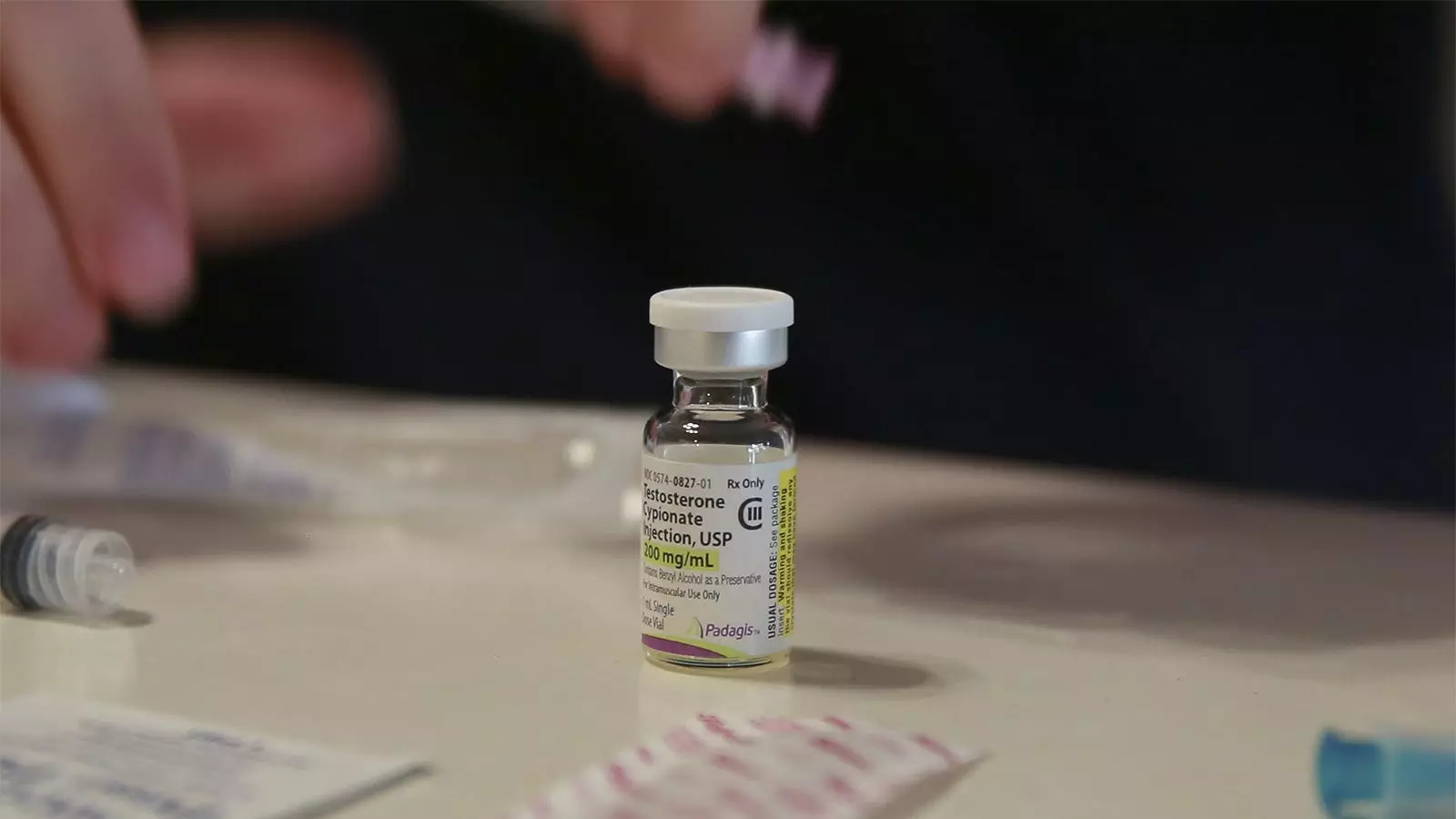
The study, published in JAMA Pediatrics, analyzed a substantial insurance claims database, revealing that fewer than 1 out of 1,000 adolescents with commercial insurance received gender-affirming treatments—specifically puberty blockers and hormones—over a recent five-year span. To be precise, the analysis included data from over 5 million patients aged 8 to 17, uncovering that only 926 youths were prescribed puberty blockers, and 1,927 were given hormones. This translates to less than 0.1% of the total youth population in the sample having access to these treatments. Such statistics fundamentally challenge the narrative propagated by some advocacy groups and lawmakers suggesting a surge in inappropriate or excessive medical interventions in this context.
The Implications of Restricted Access
As legislators in at least 26 states have moved to implement stringent laws against gender-affirming medical care for minors, the impact of these measures could be profound. Many of these policies are currently embroiled in legal challenges, yet their existence reflects underlying societal tensions regarding gender identity and acceptance. Additionally, the Supreme Court’s upcoming decision concerning a Tennessee case has the potential to reshape the legal landscape surrounding transgender healthcare. While lawmakers are increasingly inclined to impose restrictions, the data indicates that the medical community is practicing caution and responsibility in prescribing treatments, which raises further questions about the justification of these legislative actions.
Landon Hughes, the study’s lead author and a public health researcher at Harvard University, articulated that the findings should assist in dispelling misconceptions surrounding the treatment of transgender adolescents. He emphasized the rarity of inappropriate use of gender-affirming care, noting how misconceptions about their prevalence foster unwarranted fear and legislation. This sentiment resonates with Dr. Scott Leibowitz, another critical figure in the discourse on transgender health, who reinforces that transgender youth experience varied journeys in understanding their gender identity.
He advocates for a care model that prioritizes expert involvement in adolescent identity development, suggesting that families require support to navigate the complexities of each individual case. It’s essential to realize that not all transgender youth opt for medical interventions; for many, the pathways to understanding and accepting their gender do not necessitate hormone therapy or surgeries.
While this research clarifies the situation, it does not diminish the necessity for ongoing dialogue around transgender healthcare needs. As healthcare systems evolve, it becomes imperative to create talking points that recognize the realities faced by transgender youths without succumbing to exaggerated narratives.
Ultimately, the discourse surrounding gender-affirming care must shift towards one that emphasizes both understanding and appropriate medical access—one that is rooted firmly in evidence rather than emotion-laden political rhetoric. The well-being of transgender adolescents relies on nuanced discussions that champion informed consent and individualized care grounded in medical expertise. As the healthcare landscape for transgender individuals continues to face challenges, it becomes paramount to remember the human stories behind the statistics, ensuring that the youth who seek support are treated with the dignity and understanding they deserve.