
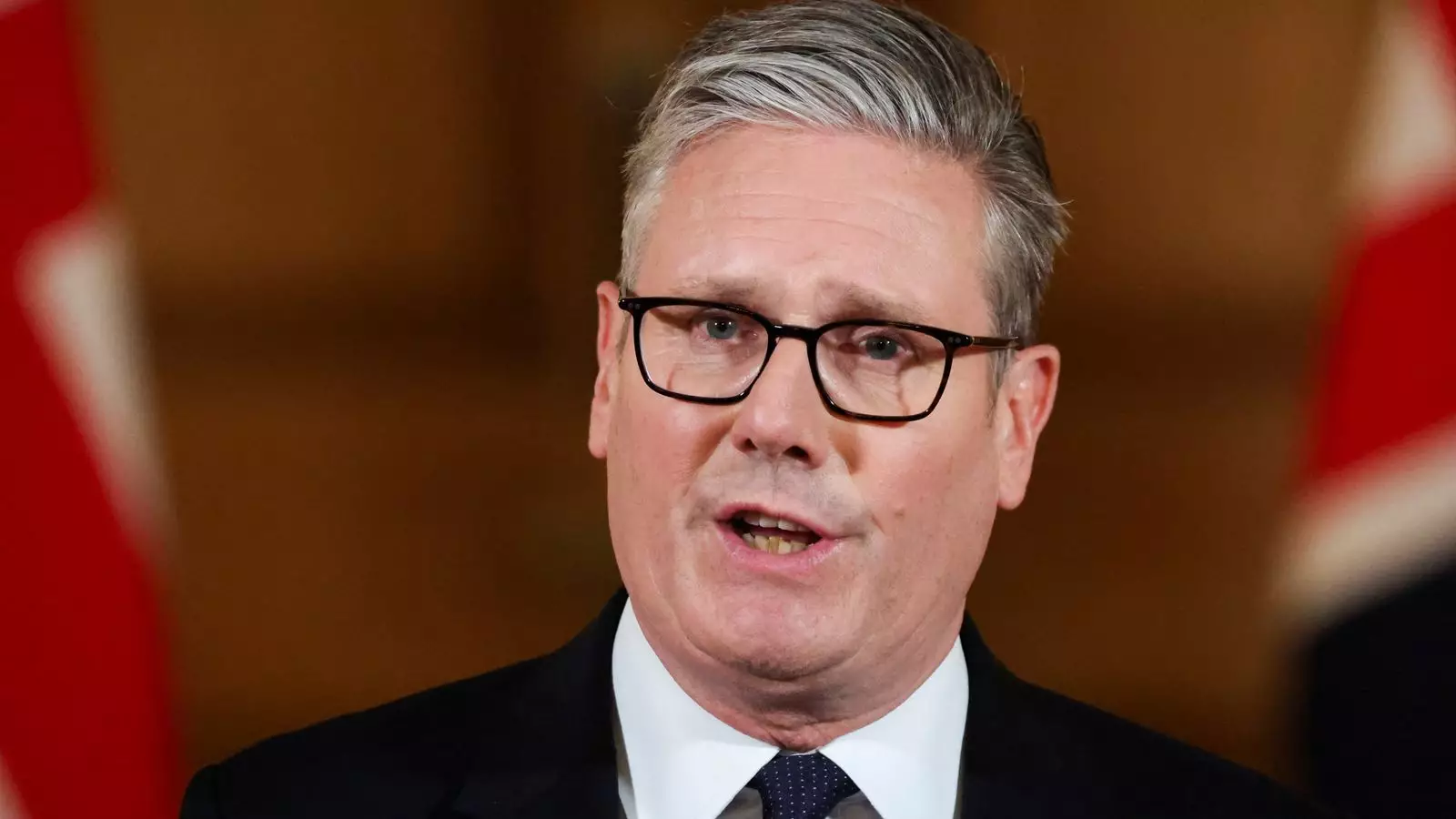
The recent decision by the United Kingdom, France, and Canada to recognize Palestinian statehood marks a pivotal moment in international diplomacy. Unlike symbolic declarations in the past, these democracies—once colonial architects of the Middle East—are now taking a stand that fundamentally questions the geopolitical status quo. This move does not carry the immediate power to redraw borders, but it signals a profound shift in global attitudes towards Palestine. It’s a declaration that injustice has persisted too long, and the voices of these nations refuse to be silenced through traditional diplomatic diplomacy that often tacitly endorses the status quo.
While critics might argue that recognition alone does little to alter the realities on the ground, the symbolic weight of this shift is undeniable. It challenges the narrative that the Palestinian cause is insignificant or merely a regional dispute, elevating it to the level of a legitimate sovereign entity in international circles. This shift—though subtle in execution—can influence global institutions, embolden Palestinian claims, and reshape long-standing alliances. The move decisively undermines the narrative of Israeli territorial permanence and reflects a broader reassessment of Western attitudes that have historically been deeply intertwined with colonial histories.
Diplomatic Innovation or Political Gesture?
Some might dismiss this recognition as mere virtue signaling—gestures designed to curry political favor without real strategic impact. Yet, dismissing these actions ignores the broader implications they portend. In the realm of international law, recognition plays a significant role; it can impact negotiations, influence legal proceedings, and alter the diplomatic calculus. For Palestine, this recognition from multiple Western democracies offers increased legitimacy and strength in global forums like the United Nations, possibly paving the way for new resolutions or legal challenges against violations of Palestinian rights.
However, the power of this recognition heavily depends on the actions of larger players—most notably the United States. Under the current American leadership, there’s a tendency to dismiss or undermine European and Canadian initiatives, prioritizing unwavering support for Israel. That reliance on U.S. support renders symbolic gestures less effective unless reinforced by a fundamental shift in American policy. Still, the significance of these European and Canadian moves cannot be understated: they serve as a reminder that a significant portion of the Western world is now questioning the entrenched alliances that have supported Israeli policies, especially in its settlement expansion and military actions.
Implications for Israel and the Future of Peace
For Israel, this emerging diplomatic front presents both a challenge and a warning. Prime Minister Benjamin Netanyahu’s government seems increasingly isolated, squeezed between the realities of ongoing conflict and shifting international sentiments. Recognized as an indispensable ally by the U.S., Israel’s diplomacy has long relied on American backing. But as more nations voice support for Palestinian statehood, Israel’s diplomatic standing could be further compromised, potentially leading to increased international pressure or sanctions.
Notably, these recognitions do not automatically lead to policy change in Israel—settlements continue, military operations persist, and the conflict rages on. Yet, such symbolic victories in the diplomatic arena tend to chip away at Israel’s moral and political justification for its current policies over time. If diplomatic isolation deepens, it might set the stage for more tangible shifts—perhaps in future negotiations, international sanctions, or even in Israeli domestic politics, where pressure mounts for a different approach. The core issue remains whether these symbolic gestures will catalyze a genuine reevaluation of Israeli policies or simply foster defiance that entrenches division further.
The Power of Global Perception and Future Dynamics
In the grand scheme, this moment underscores a slowly evolving global consciousness that refuses to accept the status quo as unchangeable. Although recognition alone cannot undo decades of occupation or military conflict, it fundamentally alters the perception of legitimacy. Over time, this new narrative can influence international action—whether in trade, diplomacy, or legal enforcement.
The road ahead is complex. Despite the symbolic momentum, real change will require a concerted effort from authentic international cooperation—an effort that currently seems hindered by American ambivalence or outright opposition. Yet, history suggests that persistent diplomatic persistence—even in the face of setbacks—can eventually shift the tides of geopolitics. For now, this recognition underpins a growing realization: the Palestinian struggle has entered a new chapter, one marked by increasing global acknowledgment that justice and sovereignty cannot be indefinitely ignored.