
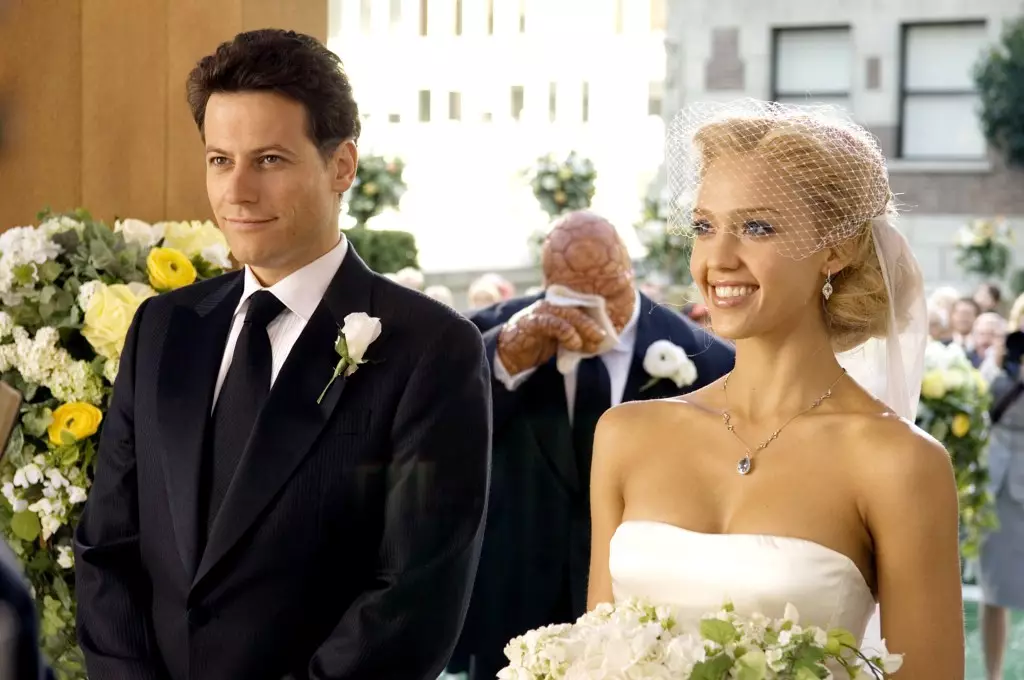
The original Fantastic Four films from the mid-2000s, starring Ioan Gruffudd as Reed Richards, represented more than just another superhero adaptation; they embodied a rare blend of enthusiasm, potential, and creative promise that was ultimately left unfulfilled. Despite their modest box office success, these films hinted at a franchise that could transcend mere entertainment, offering depth and complexity aligned with modern cinematic storytelling. However, corporate decisions and shifting Hollywood priorities derailed this promising trajectory, leaving fans and actors alike disillusioned about what might have been, and contemplating the loss of a unique opportunity in superhero cinema.
The decision to abandon plans for a third film, despite the second movie’s apparent success, underscores a broader issue in Hollywood’s approach to franchise development. It wasn’t merely about profits; it was about recognizing the cultural significance and narrative richness inherent in the Fantastic Four universe. Instead of nurturing its potential, the studio opted for an abrupt reboot in 2015, which failed critically and commercially. The missed opportunity paves the way to question how studios undervalue franchise continuity and character development in favor of quick fixes or trendy reboots. The result was a fractured legacy—one that arguably could have matured into a multi-layered saga with nuanced storytelling.
The departure from the original slated trilogy was a stark reminder of Hollywood’s fickle nature, often dismissing creative plans in favor of raw spectacle or brand overreach. This approach not only dismisses the loyalty of dedicated fans but also stifles artistic growth within the franchise. The failure of the 2015 reboot exemplifies how sacrificing thoughtful storytelling for immediate box office returns ultimately undermines the long-term viability of beloved characters. Had the original trilogy been allowed to flourish, there might have been a richer, more interconnected universe, potentially rivaling Marvel’s later successes in unifying storytelling.
Actors’ Perspectives: The Personal Toll of Franchise Abandonment
Ioan Gruffudd’s reflections add a deeply human dimension to this franchise’s story. As an actor, his connection to Reed Richards extended beyond mere portrayal; the character became part of his identity over several years. The emotional toll associated with the franchise’s abrupt halt cannot be overstated. For actors like Gruffudd, the pain stems from a sense of missed opportunity—a chance to further explore and develop iconic roles that could have evolved alongside the growing comic book universe.
His candid admission of grief and the need for therapy highlight an often-overlooked reality: being attached to a franchise isn’t just about fame or paycheck; it involves a personal investment that leaves scars when projects end prematurely. The loss of this opportunity reflects a broader cultural neglect of creative artistry in Hollywood’s franchise-obsessed landscape. These actors invest their craft, building a tangible connection with fans and characters, only to find their efforts dismissed or unrecognized due to corporate miscalculations.
Moreover, Gruffudd’s optimism about the franchise’s ongoing legacy within Marvel’s rebooted universe does little to mask the underlying frustration. Fans’ speculation about future appearances and nostalgic hopes for the original actors underscore a collective yearning for continuity and authenticity. That desire highlights a broader cultural need for respect and acknowledgement of the creative investments actors make in these stories—investments that are too often discarded when franchise plans shift or reboot.
The Cultural Implications of Hollywood’s Framing of Superhero Franchises
The saga of the Fantastic Four’s missed opportunities reflects larger issues within Hollywood’s approach to inclusivity, storytelling, and cultural relevance. The tendency to view franchises as mere commodities rather than cultural artifacts diminishes the potential for meaningful narratives that resonate with diverse audiences. The 2005 and 2007 films, while financially successful, are often dismissed as superficial, yet they possessed the seeds of deeper storytelling that could have been cultivated with proper care.
The 2015 reboot’s failure encapsulates how the industry’s shortsighted focus on spectacle over substance damages cultural credibility. It’s not enough to monetize nostalgia without respecting the complexity of the source material. A shift towards valuing sustainable storytelling—embracing the diverse voices within the comic universe and incorporating them into cinematic visions—could foster more authentic, resonant narratives. This also includes honoring the contributions of actors and creators whose work has laid foundations for future adaptations.
The broader societal implications are equally significant. The corporate calculus that led to abandoning planned trilogies isn’t just about box office figures; it reflects a cultural undervaluing of creative labor and historical legacy. By investing in projects that honor storytelling and character development, Hollywood could move toward a more balanced model—one that respects the artistic soul of its source material while still engaging mass audiences. Only then can franchises like the Fantastic Four truly fulfill their potential—not just as fleeting entertainment, but as lasting cultural institutions rooted in storytelling integrity and creative respect.