
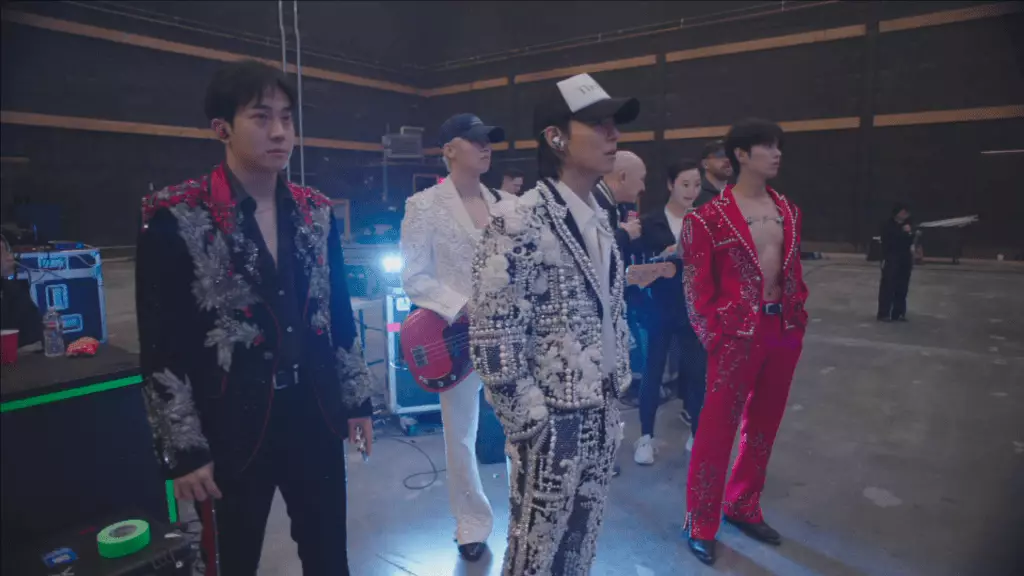
In an era where entertainment often feels superficial, the growing obsession with celebrity culture and commercial success can obscure the profound influence of authentic artistic expression. The documentary about The Rose serves as a stark reminder that true artistry transcends commercial viability and superficial fame. It reveals a band’s unwavering commitment to their craft—an honesty that many mainstream artists sacrifice for fleeting popularity. Yet, it’s this raw passion and resilience that, if recognized and supported, can serve as a powerful force for social and cultural transformation, challenging the shallow narratives often fed by the entertainment industry.
Deconstructing the Myth of Korean Cultural Hegemony
The rise of Korean entertainment and culture has been undeniably impressive, dominating global markets from K-pop to cinema. However, this phenomenon shouldn’t be viewed solely through a lens of success and exportation; it also raises questions about cultural dominance and how it shapes perceptions worldwide. The documentary highlights the multifaceted nature of Korean culture—its music, stories, and deeply human experiences—and offers a refreshing counterpoint to the stereotype that Korean artistic exports are solely about branded perfection. By focusing on The Rose’s journey, the film subtly critiques the tendency to reduce Korean culture to a polished image, emphasizing instead its raw, unfiltered emotional core. Such narratives encourage a more inclusive appreciation that values artistic authenticity over curated perfection.
The False Promise of Globalization Without Substance
CJ 4DPLEX’s ambition to bring The Rose’s story to global theaters epitomizes a broader trend: the commercialization of genuine cultural stories under the guise of promoting diversity. While expanding access is commendable, it’s crucial to scrutinize what is sacrificed in the process. Will the band’s authentic voice be preserved amid marketing campaigns and commercial interests? Or will the storytelling be tailored to fit lucrative international markets, diluting its original impact? True cultural exchange requires more than mere distribution; it demands an understanding of and respect for the nuanced context of the stories being told. Without this, the film risks becoming another commodity—consumed for its exotic appeal rather than its meaningful message.
The Subversive Power of Music as Resistance
Music has historically been a tool for resistance, a universal language capable of inspiring change and fostering solidarity. The Rose’s story exemplifies this potential, illustrating how their songs and performances resonate with themes of heartbreak, hope, and individuality. It’s a reminder that for marginalized groups or those questioning societal norms, music remains a transformative act—sometimes more powerful than any political speech. Supporting such narratives aligns with center-left ideals: fostering cultural spaces where authentic voices can challenge the status quo, inspire critical thinking, and promote social justice. Yet, the industry’s tendency to commodify even these acts of rebellion threatens to strip them of their potency unless rooted in genuine intent and community support.
A Call for Responsible Cultural Stewardship
As films like The Rose’s documentary gain international traction, the responsibility falls on distributors, creators, and audiences alike to approach such stories critically. It’s not enough to celebrate them superficially or use them as trendy symbols of “diversity.” Instead, there must be an active effort to prioritize stories that genuinely challenge systems of inequality and elevate marginalized voices. The film’s depiction of a band navigating fame and self-discovery should serve as a blueprint for how cultural products can foster empathy, introspection, and societal progress. The danger lies in commodifying these narratives into hollow symbols, stripping them of their revolutionary potential and reducing them to mere marketing tools.
Embracing Culture as a Banner for Change
Ultimately, stories like The Rose’s illuminate the profound capacity of culture to shape societies. When supported responsibly, artistic endeavors rooted in authenticity can foster compassion, challenge conformist mindsets, and promote a more inclusive worldview. It’s a reminder that the fight for meaningful change isn’t solely political or economic but also cultural. By endorsing films that prioritize storytelling over spectacle and authenticity over superficiality, we reaffirm our commitment to a society where art serves as a catalyst for genuine, lasting progress—an empowering force capable of breaking down barriers and building bridges across diverse communities.