
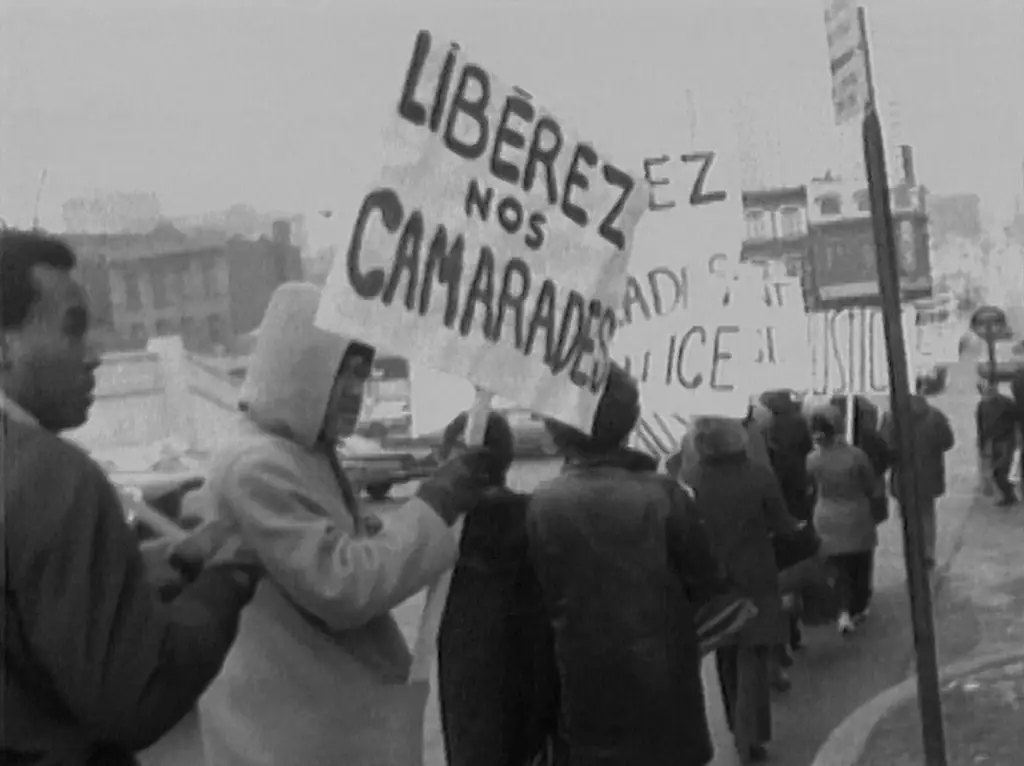
For decades, narratives around the Civil Rights and Black liberation movements have predominantly centered on iconic cities like Atlanta, Montgomery, New York, and Oakland. These urban landscapes symbolize the fierce contest for racial equality and justice, often overshadowing other critical locales whose contributions are equally vital. Among these, Montreal emerges as a compelling yet overlooked chapter in the fight against systemic racism, revealing the intrinsic interconnectedness of North American and Caribbean struggles. This omission reflects a broader tendency to marginalize stories that challenge conventional narratives and underscores the need to revisit history with a more inclusive lens. Montreal’s role in the 1960s protests and activism is not a footnote but a testament to the wider scope of Black resistance that transcended borders, colonial histories, and cultural identities.
A Nexus of Resistance and Cultural Awakening
The pivotal events that anchored Montreal’s significance—namely the Congress of Black Writers at McGill University and the student occupations at Sir George Williams University—demonstrate a fierce awakening of Black consciousness and political agency. These moments were not isolated incidents; they embodied a collective challenge to deeply ingrained institutional racism within academia and society. The university protests, in particular, exemplified the courage of young Black students who confronted entrenched power structures, risking expulsion and societal marginalization in their pursuit of equality. Yet, these stories are seldom integrated into mainstream histories, portraying Montreal as merely a backdrop rather than a catalyst for Black liberation in Canada and beyond.
What makes Montreal’s history compelling is its cross-continental resonance. It underscores how colonial legacies, rooted in French and British imperialism, intertwined with racial oppression. Montreal’s activism was fueled not only by local grievances but also by a shared understanding of colonial resistance, connecting the Caribbean, Canada, and the United States in a broader hemisphere of anti-colonial rebellion. Such dynamics challenge sanitized narratives of peaceful progress, revealing instead a complex web of struggle, resilience, and radical change rooted in place and community.
A Hidden Legacy and Unheard Voices
One of the most profound faults in our collective memory is the neglect of elders and activists whose stories remain unspoken or unrecorded. Documentaries like *True North* serve as crucial interventions, spotlighting these marginalized narratives. Through personal testimonies and archival footage, these stories dismantle stereotypes, presenting Black resistance as a multifaceted movement with deep roots in cultural identity and equitable justice. These voices remind us that history is not only about grand victories but also about everyday acts of defiance that cumulatively reshape societies.
In particular, Montreal’s story emphasizes the importance of recognizing the intersectionality of struggles—race, colonialism, education, and social justice are inseparable. The film underscores how collective action in Montreal influenced subsequent movements across North America, inspiring a generation to stand against injustice. Yet, Gates of acknowledgment remain partially closed: the stories of the youth, organizers, and unsung heroes continue to languish in obscurity, unintentionally reifying the dominance of narratives constructed by mainstream institutions that often exclude marginalized voices.
Implications for Today’s Social Justice Movements
The inadequacy of historical recognition isn’t just a matter of academic negligence; it directly impacts contemporary activism. When stories like Montreal’s are overlooked, there’s a risk of marginalizing the self-determination efforts of communities whose struggles echo across decades. Today’s social justice movements can learn from this historical oversight. They highlight the necessity of embracing a hemispheric and intersectional perspective that values localized resistance as part of a broader struggle against oppression.
Reclaiming Montreal’s place in the history of Black liberation isn’t merely about acknowledgment; it’s about cultivating a holistic understanding of resistance’s roots. Recognizing these stories empowers marginalized communities today, reaffirming that change often begins in unlikely places, with ordinary people daring to challenge injustice. This narrative shift demands a reevaluation of whose histories are told, and how they are integrated into collective memory. Only then can we foster a truly inclusive history that honors the diverse tapestry of struggles that have shaped our present and future pursuits for equality.