
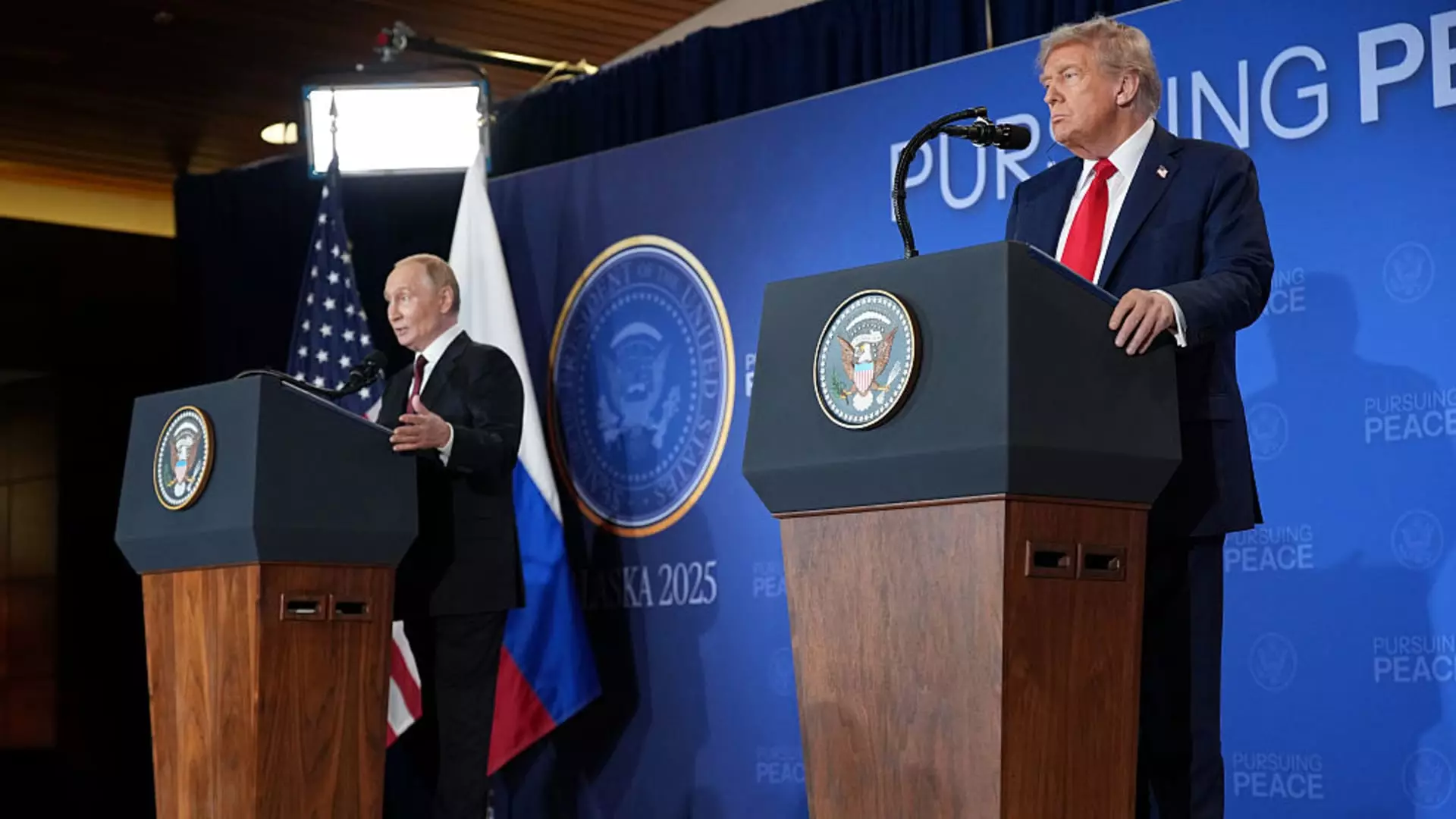
The recent summit between Donald Trump and Vladimir Putin, heralded by many as a turning point in international diplomacy, reveals much about the facade of diplomatic rhetoric. While Trump boldly declared that the meeting “went very well,” such optimism masks a troubling disconnect between words and true progress. The absence of a concrete ceasefire or peace agreement leaves behind a dangerous illusion—one that suggests negotiations are underway when in reality, critical issues remain unresolved. This discrepancy underscores how political leaders often cloak their strategic delays in the language of hope, offering superficial accomplishments to mask ongoing conflicts and power struggles. It is an unsettling reminder that diplomacy, in many cases, becomes a theater of spectacle rather than a sincere effort to achieve lasting peace.
The Self-Serving Narrative versus the Reality on the Ground
Trump’s emphasis on seeking a “Peace Agreement” rather than a ceasefire appears to be motivated by an inclination to control the narrative rather than confront the persistent and brutal realities of war. While he claims that such a peace would conclusively end the Ukraine conflict, critics rightly question whether this rhetoric aligns with the interests of those most affected. European allies and Ukraine themselves are wary, advocating for immediate ceasefire to curb further suffering and stabilize a fragile region. Meanwhile, Trump’s approach risks prolonging the war by dismissing urgent calls for tangible action. His push for negotiations that exclude Ukrainian leadership signals a dangerous detachment from the realities faced by those living amidst conflict, revealing a troubling tendency to prioritize diplomatic optics over tangible human outcomes.
The Dangerous Path of Political Recklessness and Strategic Ambiguity
The diplomatic narrative surrounding Trump’s meeting, and Putin’s subsequent declarations, exemplifies how strategic ambiguity is weaponized to serve national interests at the expense of global stability. Russian officials’ portrayal of the talks as steps toward a “new security architecture” emphasizes their desire to reshape the geopolitical landscape on their terms, regardless of the consequences for Ukraine or broader security. Trump’s willingness to entertain the idea of a future meeting with Putin without concrete commitments demonstrates a troubling reluctance to hold Russia accountable. This approach risks emboldening authoritarian regimes, undermining international norms, and perpetuating the cycle of conflict. A centrist liberal perspective recognizes the importance of principled diplomacy, advocating for negotiations rooted in respect for sovereignty and human rights—principles that appear compromised here in favor of strategic gestures.
The Cost of Capitulation and the Illusion of Power
Ultimately, the summit exposes a central flaw in contemporary diplomacy: the allure of perceived power and control often masks profound weakness. The Russian victory in spinning the narrative as a step toward a new security order illustrates how oppressive regimes exploit diplomatic ambiguity to legitimize their actions. Meanwhile, Western leaders, caught in the allure of diplomatic engagement, risk sacrificing the urgency of ending suffering for the sake of political appearances. This raises critical questions about the true nature of leadership—are they genuinely committed to peace and justice, or merely intent on preserving their political standing amidst chaos?
In this high-stakes game of optics versus substance, the underlying reality becomes clear: when diplomacy is driven by power projection rather than genuine concern, it fuels the cycle of conflict rather than ultimately ending it. The true test of leadership is whether it can transcend superficial negotiations and confront the hard truths—that peace requires not only words but honest, unwavering commitments to justice and human dignity.